Tracing Payment Innovations to Expanded Reel Libraries Across Handheld Casino Platforms
Bianca Flores · Jun 14, 2026
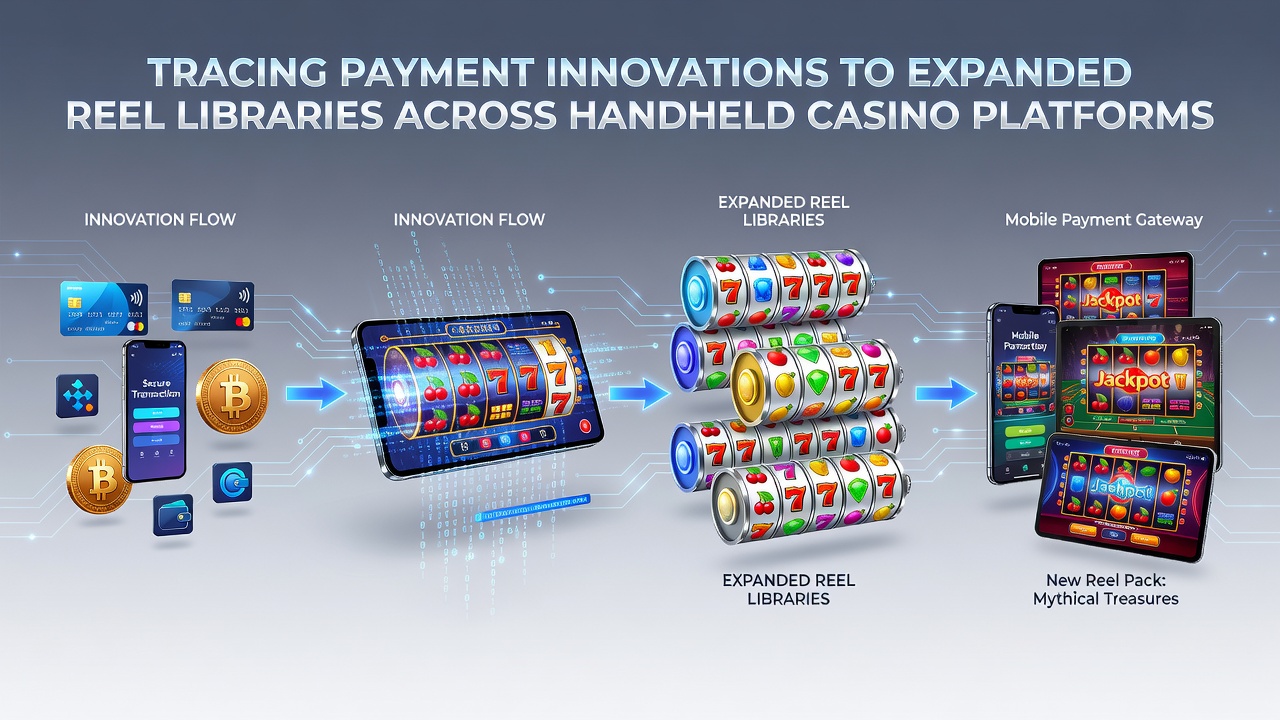
Tracing Payment Innovations to Expanded Reel Libraries Across Handheld Casino Platforms
Payment systems in handheld casino environments have shifted dramatically over recent years, and those changes connect directly to the growth of reel libraries available on portable platforms, according to industry tracking data from multiple regulatory regions. Faster transaction methods reduce delays between deposits and gameplay, which in turn supports operators as they add more slot titles with varied reel mechanics, themes, and volatility levels.
Payment Methods Evolving on Mobile Devices
Digital wallets and instant bank transfers emerged as standard options in many markets by early 2025, and their adoption accelerated through 2026 as platforms integrated these tools into streamlined apps. Observers note that regions such as New Jersey and parts of Australia saw measurable increases in mobile transaction volumes during this period, with data from the New Jersey Division of Gaming Enforcement showing consistent month-over-month growth in digital funding methods through mid-2026. These systems bypass traditional card processing wait times, allowing users to access games within seconds rather than minutes.
Blockchain-based options and smart contract protocols also entered wider use, particularly on platforms targeting users in Canada and select European jurisdictions. Researchers tracking these developments point out that reduced settlement periods free up backend resources, which operators then redirect toward licensing additional content libraries. This pattern appears in multiple operator reports where quicker funding correlates with expanded catalogs of five-reel, six-reel, and cluster-pay formats.
Linking Faster Funding to Larger Game Selections
Operators have documented how payment speed influences the scale of reel offerings they can sustain. When deposits clear instantly, platforms maintain higher user engagement rates that justify the costs of adding new titles monthly. Figures from teh Australian Communications and Media Authority indicate that mobile slot libraries in regulated Australian apps grew by double-digit percentages between 2024 and 2026, coinciding with widespread rollout of instant payment rails.
Those who've studied platform data observe that titles featuring progressive jackpots or branded reel themes require steady cash flow to support licensing fees and server demands. Payment innovations handle that flow efficiently, enabling handheld casinos to rotate in fresh content without extended downtime. One documented case involved a major European-facing operator that expanded its mobile reel count by over 300 titles after switching to combined e-wallet and cryptocurrency gateways in late 2025.

Technical Infrastructure Supporting the Shift
Cloud-based payment processors now integrate directly with game servers on many handheld platforms, creating a unified system where transaction confirmation triggers immediate game access. This architecture reduces the technical friction that once limited smaller operators from maintaining large reel libraries. Data compiled through June 2026 shows platforms using these integrated systems report lower abandonment rates during deposit stages, which translates into sustained play sessions across diverse slot formats.
Security protocols tied to newer payment methods also play a role. Biometric-linked wallets and tokenization reduce fraud checks, freeing compliance teams to focus on content curation rather than transaction monitoring. Industry reports highlight that this operational shift has allowed several North American and Asia-Pacific operators to increase their handheld reel offerings while maintaining regulatory compliance standards.
Regional Patterns Emerging in 2026
Markets with mature mobile regulations demonstrate the clearest connections between payment upgrades and reel expansion. In Nevada, licensed operators reported broader slot selections on apps following the adoption of enhanced real-time banking links, with state oversight data reflecting parallel rises in both transaction speed metrics and game count. Similar trends surface in parts of the European Union where cross-border payment frameworks streamlined funding across handheld devices.
Meanwhile, emerging markets continue testing these linkages. Platforms entering new jurisdictions often prioritize payment partnerships first, then scale reel libraries once user funding patterns stabilize. This sequence appears repeatedly in operator roadmaps shared through industry conferences held in the first half of 2026.
Conclusion
The pathway from payment innovation to expanded reel libraries on handheld casino platforms follows measurable operational and regulatory patterns. Data across multiple jurisdictions shows that quicker, more secure funding mechanisms support larger and more varied slot catalogs by improving engagement metrics and resource allocation. As these systems continue developing through 2026, the relationship between transaction efficiency and content diversity remains a central factor in how mobile casino ecosystems grow.