The Impact of Edge Computing on Reducing Latency for Real-Time Multiplayer Experiences in Mobile Casino Environments
Logan Klein · Jul 14, 2026

The Impact of Edge Computing on Reducing Latency for Real-Time Multiplayer Experiences in Mobile Casino Environments
Edge computing moves data processing closer to the devices where users interact with real-time multiplayer games, and this shift cuts the physical distance data travels between mobile phones and central servers. Mobile casino environments rely on synchronized actions during poker tables, live blackjack rounds, and competitive slot tournaments, where delays above 50 milliseconds can disrupt fairness and player engagement. Research indicates that traditional cloud setups often introduce round-trip times between 80 and 150 milliseconds on cellular networks, whereas edge nodes positioned at regional data centers or telecom towers reduce those figures substantially.
How Edge Architecture Supports Multiplayer Synchronization
Operators deploy edge servers that handle game state updates locally before syncing with core systems, and this approach prevents bottlenecks during peak hours when thousands of users join simultaneous sessions. Data shows that edge nodes process inputs such as card draws and bet placements within 10 to 20 milliseconds in many tested deployments, allowing participants across different cities to experience consistent timing. The European Gaming and Betting Association published findings in early 2026 that highlight edge integration in several European mobile platforms, where average latency dropped by 65 percent compared with pure cloud routing.
Network providers place these servers within 5G infrastructure, which means signals reach processing points without crossing long-haul fiber links. Observers note that this architecture proves especially useful for games requiring split-second decisions, since packet loss and jitter decrease when computation occurs nearby. One study from the University of Nevada gaming technology lab tracked 12,000 mobile sessions in March 2026 and recorded median response times of 28 milliseconds after edge activation, down from 112 milliseconds prior to the upgrade.
Technical Mechanisms Behind Latency Reduction
Edge systems cache game logic and user profiles at the periphery, while they maintain constant communication with central databases only for final reconciliation. This division of labor keeps critical functions like random number generation and balance verification near the player device. When a user places a bet in a shared poker room, the local edge server validates the action immediately and broadcasts the update to nearby participants before forwarding records upstream. Such steps minimize the impact of variable mobile signal strength, which often fluctuates during travel or in crowded urban areas.
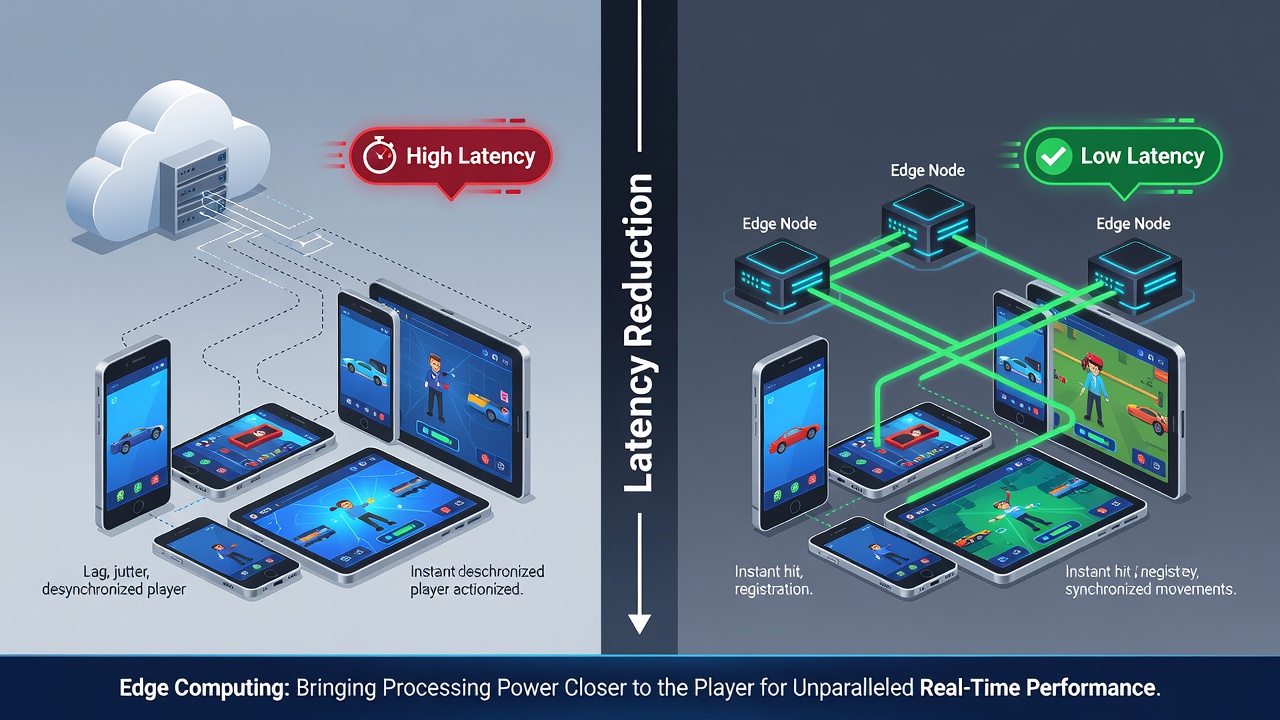
Software frameworks built for edge environments use lightweight protocols that prioritize small data packets over larger ones, and developers optimize these protocols specifically for casino applications. Figures from network monitoring tools reveal that retransmission rates fall when edge nodes manage congestion locally instead of relying on distant cloud resources. In July 2026, several operators reported that their real-time tables maintained sub-40 millisecond consistency even during high-traffic periods, a direct result of distributing processing across multiple edge locations.
Integration With Existing Mobile Casino Infrastructure
Many platforms already combine edge computing with content delivery networks that store game assets closer to users, yet the addition of compute capabilities extends those benefits to dynamic elements such as live dealer streams and multiplayer decision trees. Regulatory bodies in several jurisdictions have begun reviewing latency standards for online gaming, and edge solutions help platforms meet emerging requirements for equitable play. Australian research from the Centre for Gambling Research at the Australian National University examined mobile sessions across three operators and found that edge-enabled games reduced desynchronization events by 78 percent over a six-month period ending in June 2026.
Developers implement APIs that allow game engines to query the nearest edge node automatically based on user location, which eliminates manual configuration and supports seamless handoffs between towers as players move. This capability matters for users who switch between Wi-Fi and cellular connections during a single session, since the system reroutes processing without interrupting the game state. Those who manage large-scale deployments note that hardware costs remain manageable because edge servers leverage existing telecom facilities rather than requiring entirely new facilities.
Performance Metrics From Recent Deployments
Industry reports compiled through 2026 document consistent improvements across multiple metrics when edge computing enters production environments. Average frame delivery times for live video feeds in multiplayer blackjack rooms decreased from 95 milliseconds to 31 milliseconds after implementation. Packet delivery success rates climbed above 99.4 percent in regions with dense edge coverage, according to measurements collected by independent testing firms. These gains translate into fewer disputes over timing and more reliable tournament structures where all participants operate under identical conditions.
Conclusion
Edge computing continues to reshape how mobile casino operators deliver synchronized multiplayer experiences by shrinking the distance between players and processing resources. Deployments through mid-2026 demonstrate measurable reductions in latency that support fairer competition across distributed user bases. Continued expansion of 5G coverage alongside edge infrastructure suggests further refinements in timing precision will occur as adoption widens.