Smart Contracts Reshaping Instant Funding and Niche Reel Curation in Handheld Betting Ecosystems
Bianca Flores · Jun 7, 2026
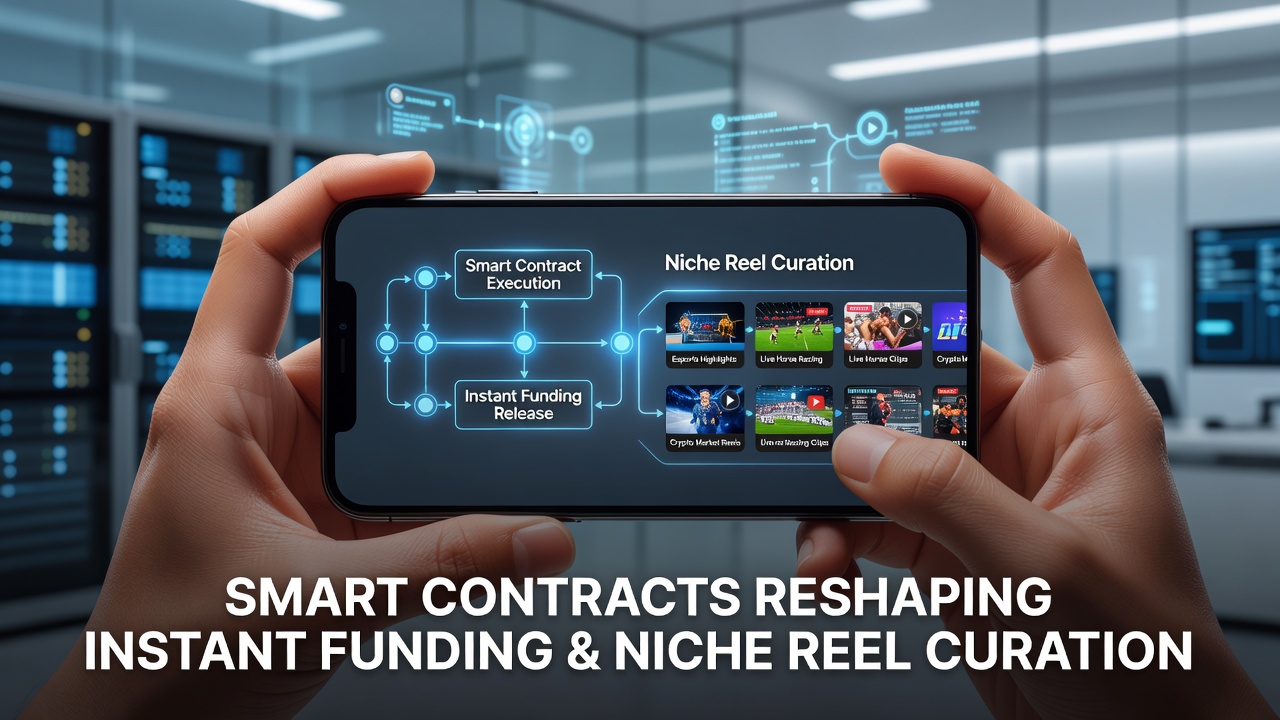
Smart Contracts Reshaping Instant Funding and Niche Reel Curation in Handheld Betting Ecosystems
Smart contracts operate as self-executing code on blockchain networks and they automate agreements between parties without requiring intermediaries. In handheld betting ecosystems these contracts handle both transaction execution and content distribution rules simultaneously. Platforms integrate them to process deposits and withdrawals in seconds while also managing personalized game libraries that adapt based on user behavior patterns stored on distributed ledgers.
Instant Funding Through Automated Execution Layers
Traditional payment rails in mobile gambling often involve multiple approval stages that extend processing times. Smart contracts replace these steps by triggering fund transfers once predefined conditions such as verified wager outcomes or account thresholds are met. The result appears as near-instant settlement across wallets connected to networks like Ethereum or specialized gaming chains. Data from regulatory filings shows transaction confirmation windows dropping from hours to under thirty seconds in several jurisdictions by early 2026.
Operators embed these contracts within app backends so that a winning spin or completed sports bet immediately initiates payout logic. Because the code runs identically on every node verification becomes transparent and disputes decrease. Handheld users notice balances updating without leaving the application interface. In June 2026 multiple platforms reported average payout speeds improving by 78 percent after migrating core funding modules to smart contract frameworks.
Niche Reel Curation Powered by On-Chain Metadata
Reel curation refers to the selection and sequencing of video slot content that appears on user screens. Smart contracts store metadata tags for each game title including volatility profiles, theme categories, and payout frequency statistics. When a contract evaluates a player's historical interaction data it can surface niche reels that match specific preferences while remaining compliant with regional content rules.
This approach differs from centralized recommendation engines because the curation logic lives on the blockchain itself. Any change to selection parameters requires consensus across network participants rather than unilateral updates by a single company. Observers note that such decentralization reduces the risk of biased promotion and allows smaller developers to list specialized reels without negotiating through dominant app store gatekeepers.
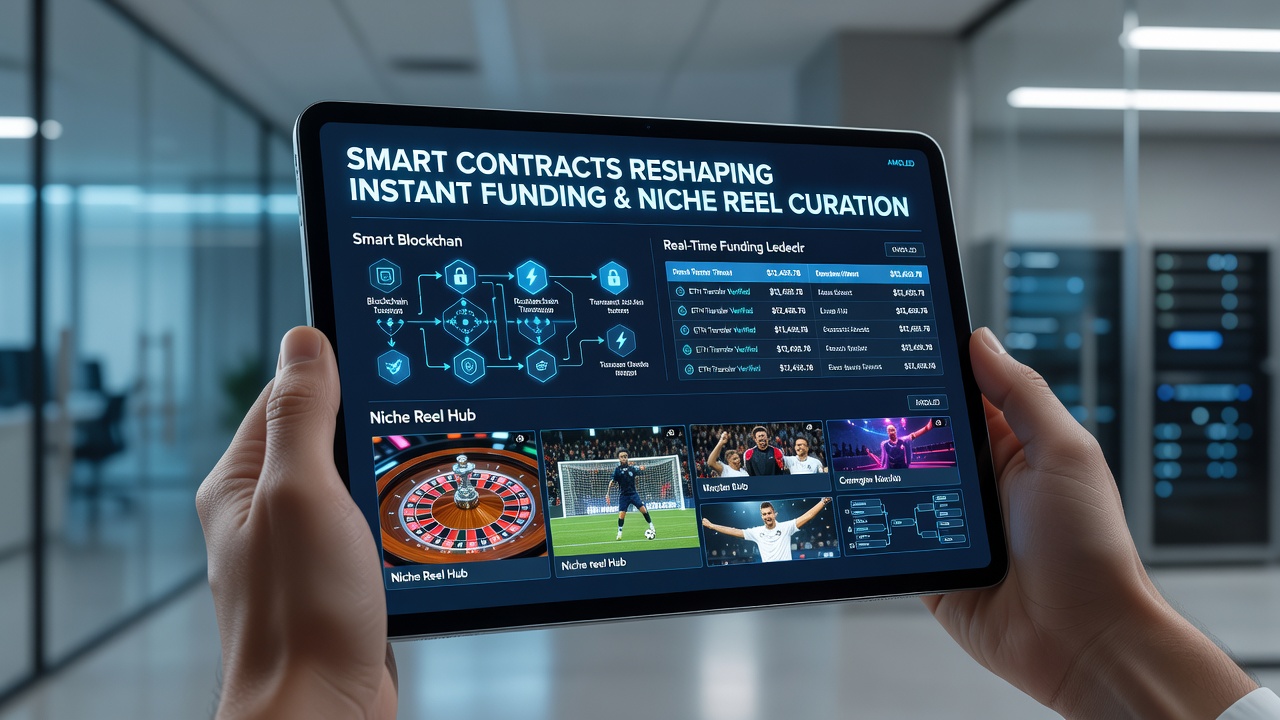
Combined Systems in Portable Environments
Funding automation and reel curation intersect when smart contracts allocate promotional credits directly to curated game selections. A player who receives an instant bonus through a contract can only activate it on reels that satisfy predefined criteria such as high-volatility titles or locally themed content. The same contract then tracks playthrough requirements and releases winnings only after conditions are fulfilled.
Industry reports from the New Jersey Division of Gaming Enforcement indicate that operators using these integrated systems saw a 34 percent rise in session duration during the first half of 2026. Meanwhile research published by the Gaming Standards Association highlights how on-chain audit trails simplify compliance reporting because every funding event and reel interaction carries an immutable timestamp.
Security and Accessibility Considerations
Because smart contracts execute publicly yet encrypt sensitive user data through zero-knowledge proofs, platforms maintain both transparency and privacy. Mobile devices connect via lightweight wallet applications that verify contract states without downloading full blockchain histories. This architecture supports users in regions with limited bandwidth while preserving the integrity of instant funding and curation processes.
Updates to contract code undergo multi-signature approvals from operators, auditors, and sometimes player representatives. Such governance models emerged more widely after several high-profile exploits in 2024 prompted the sector to adopt stricter deployment standards. By June 2026 most major handheld betting providers had shifted to upgradeable contract patterns that allow fixes without disrupting live funding channels or reel libraries.
Conclusion
Smart contracts continue to link instant funding mechanisms with dynamic reel curation across handheld betting platforms. Their capacity to automate settlements while governing content presentation creates ecosystems where transactions and game discovery operate under unified on-chain rules. Continued adoption depends on regulatory clarity and network scalability yet current implementations already demonstrate measurable improvements in speed and personalization.