Regional Licensing Frameworks Driving Integration of Varied Transaction Methods with Comprehensive Portable Game Offerings
Ben Foster · Jun 21, 2026
Regional Licensing Frameworks Driving Integration of Varied Transaction Methods with Comprehensive Portable Game Offerings
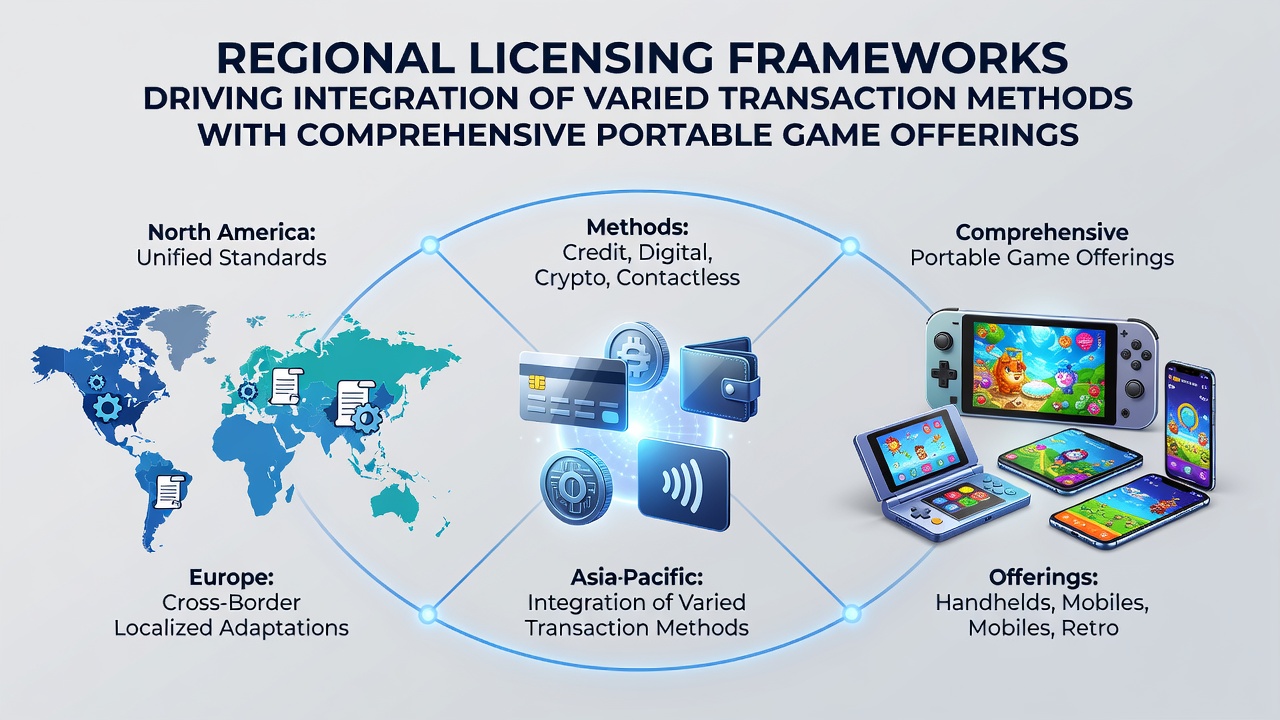
Regional licensing frameworks shape how operators combine diverse payment options with extensive mobile game libraries, and these rules create structured pathways for compliance that connect transaction flexibility directly to portable entertainment catalogs. Jurisdictions across North America, Europe, and Asia-Pacific enforce requirements that push platforms to support multiple funding methods alongside broad selections of slots, table games, and live dealer titles accessible on smartphones and tablets.
Operators must align their systems with local standards before launching or expanding services, which means integrating e-wallets, bank transfers, cards, and digital currencies where permitted while maintaining full catalogs of portable titles that meet technical and responsible gaming criteria. Data from industry reports indicate that such alignments have accelerated since 2024, with mobile revenue shares rising in regulated markets that updated their licensing conditions.
North American Regulatory Approaches
State-level frameworks in the United States and provincial rules in Canada illustrate how licensing conditions drive payment and game integration. In New Jersey and Pennsylvania, gaming control boards require platforms to offer verified deposit methods alongside complete libraries of mobile-optimized content, and these mandates have led operators to expand support for instant bank transfers while curating hundreds of reel and table titles for wireless play. Canadian provinces such as Ontario apply similar standards through the Alcohol adn Gaming Commission of Ontario, where licensed entities must demonstrate seamless transaction processing paired with diverse portable offerings before receiving full operational approval.
Research from the National Conference of State Legislatures shows that states adopting updated licensing criteria between 2023 and 2025 experienced measurable growth in mobile transaction volumes alongside expanded game selections. Platforms in these regions routinely connect regional payment gateways to centralized game servers, allowing users to switch between funding sources without leaving the portable interface.
European and Asia-Pacific Licensing Dynamics
European markets apply directives that tie licensing to both financial transparency and game diversity on mobile channels. Malta and Gibraltar maintain frameworks that require operators to integrate multiple transaction channels while delivering comprehensive portable catalogs that include progressive jackpots, video slots, and live dealer options. These conditions have prompted platforms to adopt unified backend systems capable of handling varied currencies and payment rails alongside real-time game delivery.
In Asia-Pacific, Singapore and Australian state regulators enforce comparable rules through their respective authorities. The Australian Communications and Media Authority oversees licensing that links approved payment methods to mobile game compliance standards, and operators report that satisfying these paired requirements has streamlined cross-border service expansions. June 2026 saw several jurisdictions release updated guidance clarifying how digital asset transactions must integrate with existing portable game libraries, further aligning technical standards across regions.
Technical Integration Patterns
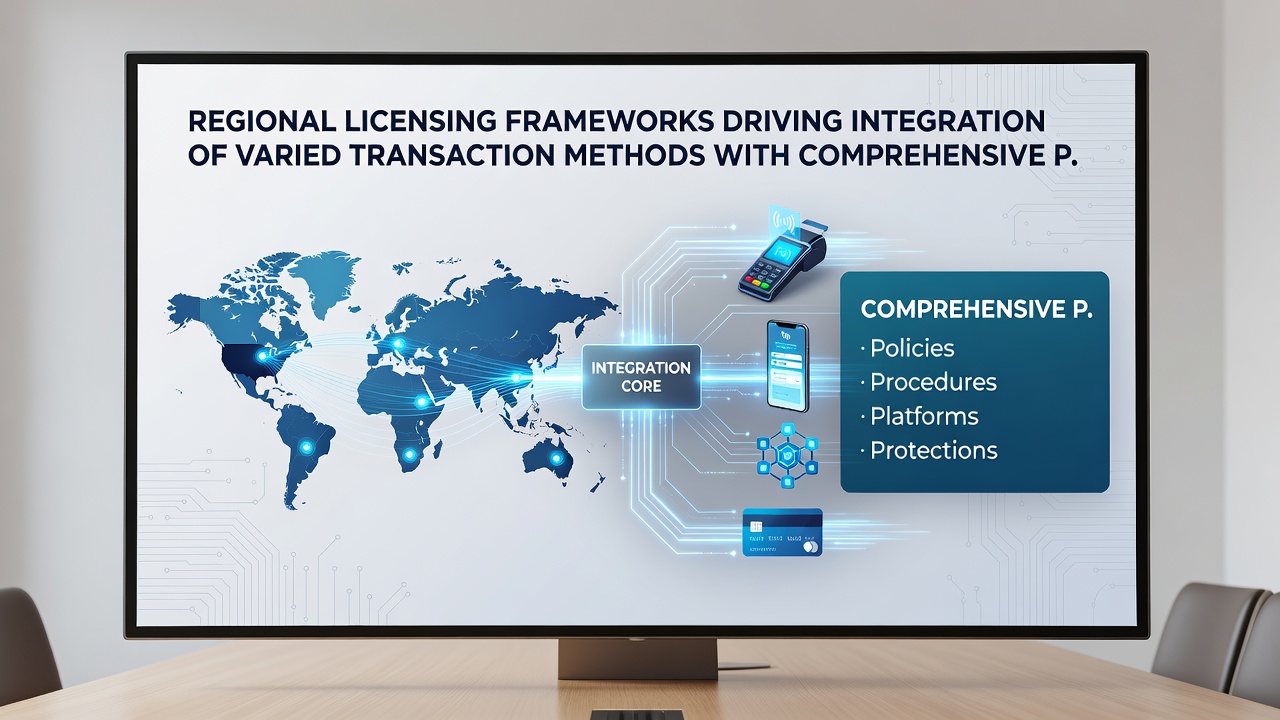
Platforms respond to these licensing pressures by building modular architectures that connect payment processors directly to game aggregation layers. One common approach involves API connections that verify transactions in real time while simultaneously loading game content from centralized servers, and this setup satisfies regulatory audits that examine both financial security and entertainment variety. Observers note that operators achieving certification under multiple regional frameworks often maintain larger mobile libraries because licensing bodies evaluate the breadth of offerings as part of ongoing compliance reviews.
Case examples include operators that introduced regional e-wallet support in tandem with expanded live dealer catalogs on mobile devices, resulting in documented increases in session durations according to aggregated industry data. Such integrations also address responsible gaming tools, since licensing conditions frequently require payment limits and session controls to function uniformly across all portable titles regardless of transaction method used.
Market Outcomes and Compliance Trends
Figures from regulatory filings reveal that markets with tightly coordinated licensing for payments and mobile games have seen steadier operator participation compared with less structured environments. Platforms that successfully navigate multiple regional requirements tend to offer consistent user experiences, where funding options and game libraries update simultaneously when new licenses are granted. This synchronization reduces downtime during regulatory transitions and supports continuous availability of portable content.
What's interesting is how these frameworks encourage incremental expansions rather than wholesale overhauls. Operators add new transaction methods or game categories only after confirming alignment with existing licenses, which creates predictable rollout timelines. Data indicates that such measured approaches correlate with higher retention metrics in jurisdictions that updated their rules during 2025 and early 2026.
Conclusion
Regional licensing frameworks continue to influence the connection between varied transaction methods and comprehensive portable game offerings by establishing clear compliance benchmarks that operators must meet across jurisdictions. These rules produce integrated systems where payment flexibility and mobile entertainment catalogs advance together under unified technical and regulatory oversight, and the pattern shows no sign of slowing as additional markets refine their licensing conditions through 2026 and beyond.