Neural Mesh Networks Reshaping Transaction Flows and Game Libraries in Mobile Wagering Apps
Logan Klein · Aug 18, 2026
Neural Mesh Networks Reshaping Transaction Flows and Game Libraries in Mobile Wagering Apps
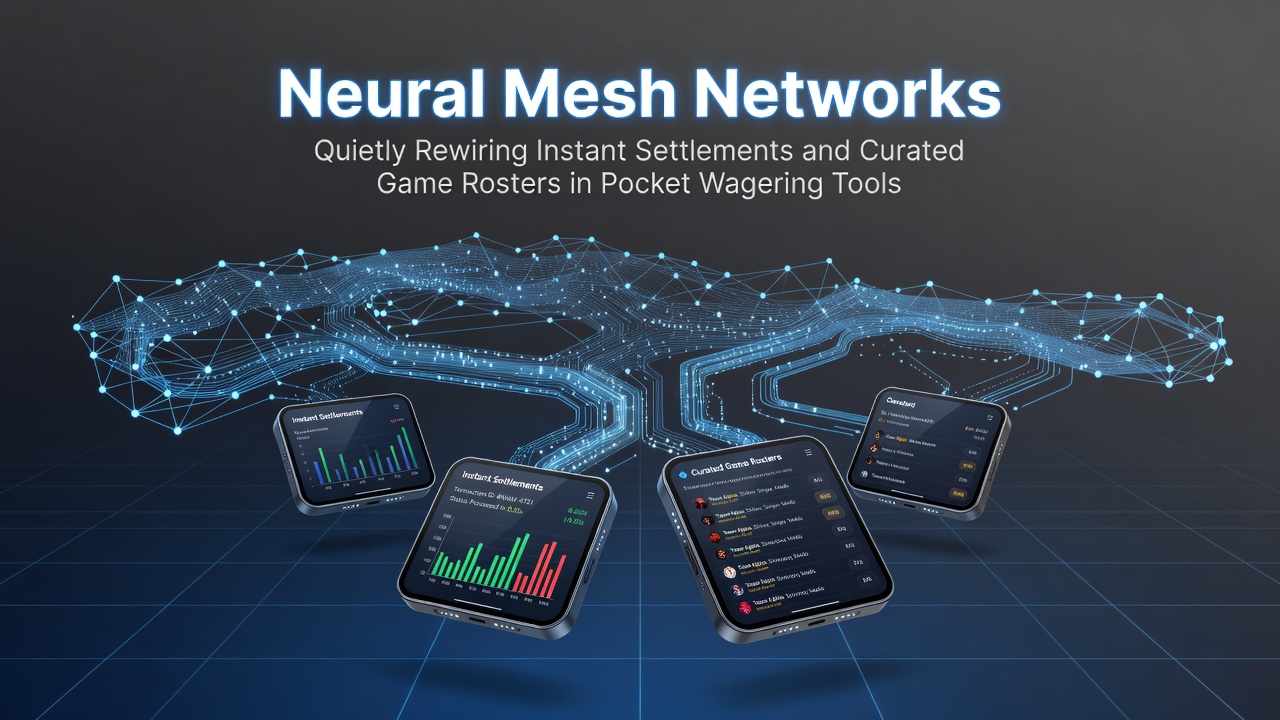
Neural mesh networks have begun integrating into pocket wagering tools throughout 2026, connecting settlement processes with dynamic game roster adjustments through distributed node architectures that process user inputs and transaction requests simultaneously. Observers note that these systems analyze patterns across multiple data streams, which allows operators to finalize deposits and withdrawals in seconds rather than minutes while updating available game selections based on real-time network activity.
Settlement Mechanisms Under Neural Mesh Influence
Traditional payment gateways in mobile platforms relied on sequential verification steps that created delays, yet neural mesh configurations distribute validation tasks across interconnected nodes so that each transaction receives concurrent checks from several points in the network. Data from industry reports indicates processing times have dropped by measurable margins in regions where operators adopted these frameworks early, and figures from the Australian Communications and Media Authority show increased transaction volumes without corresponding rises in reported discrepancies during the first half of 2026. Because the mesh maintains redundant pathways, a single node failure does not halt settlements, which provides continuity during peak usage periods such as major sporting events.
Operators have paired these settlement upgrades with backend algorithms that monitor player behavior across sessions, and the networks then adjust available funding options or bonus structures accordingly without requiring separate manual interventions. Researchers at academic institutions studying distributed computing applications in regulated markets have documented how mesh topologies reduce latency by routing requests through the shortest available paths while preserving encryption standards required by oversight bodies.
Game Roster Curation Through Network Feedback Loops
Curated game libraries in handheld applications now respond to mesh-driven analytics that aggregate data on session lengths, wager sizes, and retention metrics across thousands of concurrent users. This process lets platforms surface specific titles or variations at different times of day or for distinct user segments, and the adjustments occur without disrupting the overall interface. Evidence from platform analytics released in August 2026 points to higher engagement rates when rosters rotate according to these network insights rather than static schedules.
One deployment case involved a multi-jurisdiction operator that linked its mesh infrastructure to live performance data from slot and table game providers, allowing automatic inclusion or removal of titles based on aggregate player response patterns. Those who manage these systems report that the approach maintains compliance with regional content rules because the network flags and excludes restricted options before they reach end users. Studies conducted by the International Center for Gaming Regulation have examined similar integrations and noted that mesh-enabled curation correlates with stable revenue streams across fluctuating market conditions.
Regional Adoption Patterns and Regulatory Context
Markets in North America and parts of Asia have seen faster rollout of neural mesh components compared with other areas, partly because existing 5G infrastructure supports the required data exchange volumes. Regulatory frameworks in these locations emphasize audit trails, and mesh networks generate detailed logs that satisfy reporting obligations without additional layers of manual oversight. Figures released by the Nevada Gaming Control Board in mid-2026 reflected steady growth in mobile transaction counts alongside expanded game catalogs on approved platforms.
Integration challenges remain around interoperability between different mesh implementations and legacy systems still used by some providers, although developers continue refining protocols to bridge these gaps. Observers tracking the sector point out that training datasets used to optimize the networks draw from anonymized historical records, which helps preserve user privacy standards mandated across jurisdictions.
Future Trajectories for Mesh-Enabled Wagering Tools
Continued refinement of neural mesh architectures is expected to focus on expanding the range of data inputs that influence both settlements and roster decisions, including integration with emerging hardware features on newer mobile devices. Industry associations such as the European Gaming and Betting Association have highlighted ongoing pilots that test mesh scalability during high-demand periods, and preliminary results suggest the approach can handle increased loads without proportional rises in operational costs.
Conclusion
Neural mesh networks continue to influence how pocket wagering tools manage instant settlements and maintain curated game selections by distributing computational tasks and feedback mechanisms across connected nodes. Available data from regulatory and research sources shows measurable effects on transaction speeds and content personalization throughout 2026, while operators adapt these technologies within existing compliance structures. The patterns observed so far indicate that further developments will depend on infrastructure readiness and regulatory alignment across different markets.