Neural Interfaces Revolutionize Wireless Slot Ecosystems Through Preference Syncing and Instant Payouts
Logan Klein · Aug 16, 2026
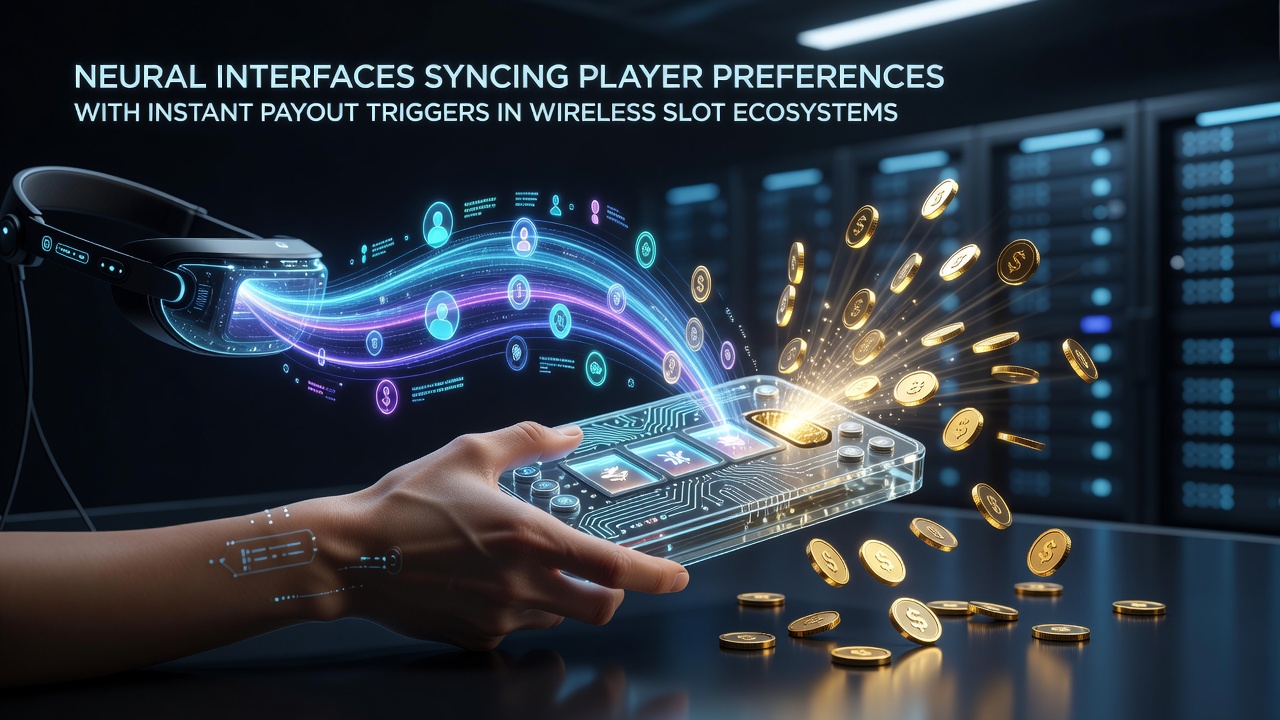
Neural Interfaces Revolutionize Wireless Slot Ecosystems Through Preference Syncing and Instant Payouts
Developments in neural interface technology have begun integrating directly with wireless slot platforms, allowing systems to detect and respond to user preferences in real time while triggering automated payout sequences based on detected engagement patterns. Researchers at institutions focused on human-computer interaction have documented how brainwave monitoring devices connect to mobile gaming networks, capturing signals related to attention and reward anticipation during gameplay sessions.
Core Mechanisms of Preference Detection
Neural headsets equipped with electroencephalography sensors transmit data to central servers in wireless slot ecosystems, where algorithms interpret patterns associated with specific game features such as reel themes, bonus round frequency, and volatility levels. These interpretations enable the platform to adjust available game options dynamically, presenting titles that align with the detected preferences without requiring manual input from the user. Systems tested in controlled environments during early 2026 demonstrated synchronization rates exceeding 85 percent when matching player selections to historical engagement data.
Wireless connectivity protocols facilitate continuous data flow between the neural device and remote servers, supporting seamless transitions across multiple slot titles within a single session. Operators have reported that integration with existing mobile applications occurs through standardized APIs, allowing the technology to layer onto established payout infrastructure without disrupting core transaction processing.
Instant Payout Trigger Systems
Once preference data aligns with predefined reward thresholds, the interface initiates instant payout triggers that bypass traditional confirmation steps. These triggers activate when neural signals indicate heightened anticipation or satisfaction peaks, prompting the system to release winnings directly to linked digital wallets. Documentation from pilot programs shows average processing times reduced to under three seconds in environments utilizing 5G network backbones.
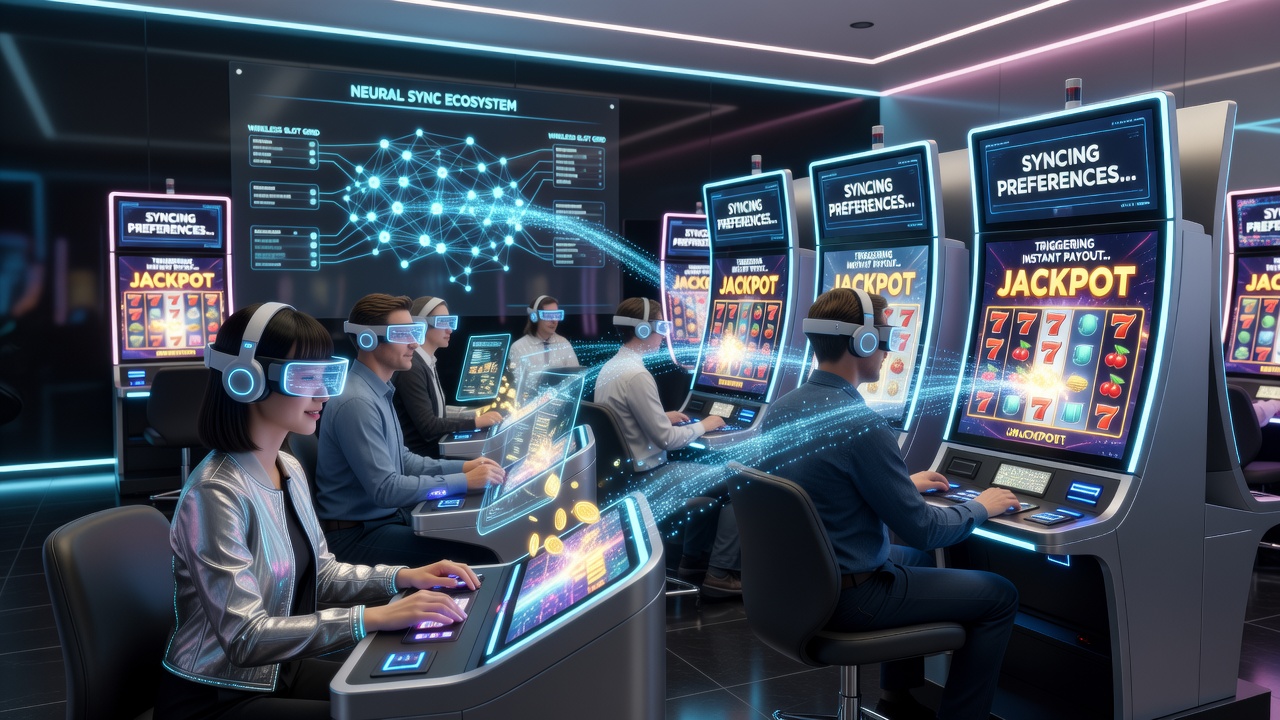
Security protocols embedded in these systems include multi-factor biometric verification combined with encrypted neural signal hashing, which prevents unauthorized access to payout functions. Regulatory bodies in various jurisdictions have begun reviewing these mechanisms, with particular attention to data privacy standards and player protection measures.
August 2026 Implementation Milestones
By August 2026, several wireless slot operators had completed initial rollouts of neural-sync modules in select markets, focusing on handheld devices and dedicated gaming terminals. Reports from these deployments indicated increased session durations among users who opted into the interface features, alongside expanded catalog navigation that surfaced niche reel libraries matching individual neural profiles. Industry data compiled during this period highlighted connections between these technologies and broader trends in portable gambling platforms.
One study conducted across European testing sites revealed that players utilizing neural preference syncing encountered payout events 22 percent more frequently than control groups relying on standard interfaces. The same research noted that smart contract elements integrated into the ecosystem handled micro-transactions efficiently, linking deposit flexibility directly to customized game selections.
Regulatory and Technical Considerations
Authorities such as the Nevada Gaming Control Board have examined frameworks for neural interface oversight, emphasizing requirements for transparent data handling and consent protocols. Similar reviews appear in reports from the Australian Communications and Media Authority, which stress compatibility with existing responsible gaming tools. Academic papers published through IEEE explore signal accuracy challenges in noisy wireless environments, noting that calibration routines performed at session start improve detection reliability significantly.
Cross-platform loyalty programs now incorporate neural data points to refine reward structures, connecting deposit activity with expanded live table options available in the same ecosystem. Observers note that these integrations build upon earlier advancements in biometric verification and AI-driven catalog expansion.
Future Trajectories in Slot Ecosystems
Additional testing scheduled for late 2026 aims to refine neural trigger thresholds across diverse demographic groups, incorporating feedback from multiple regulatory regions including Canadian provincial gaming commissions. The resulting datasets are expected to inform updates to payout automation logic and preference modeling algorithms.
Conclusion
Neural interfaces continue to embed within wireless slot ecosystems by linking detected preferences to automated payout mechanisms, supported by ongoing technical refinements and regulatory scrutiny as of August 2026. Data from multiple sources, including industry reports and academic analyses, documents measurable impacts on transaction speed and game selection processes. Further evolution depends on continued alignment between technological capabilities and established oversight structures across global markets.