Network Infrastructure Supporting Flexible Transactions and Specialized Content Growth in Portable Casino Applications
Bianca Flores · Aug 6, 2026
Network Infrastructure Supporting Flexible Transactions and Specialized Content Growth in Portable Casino Applications
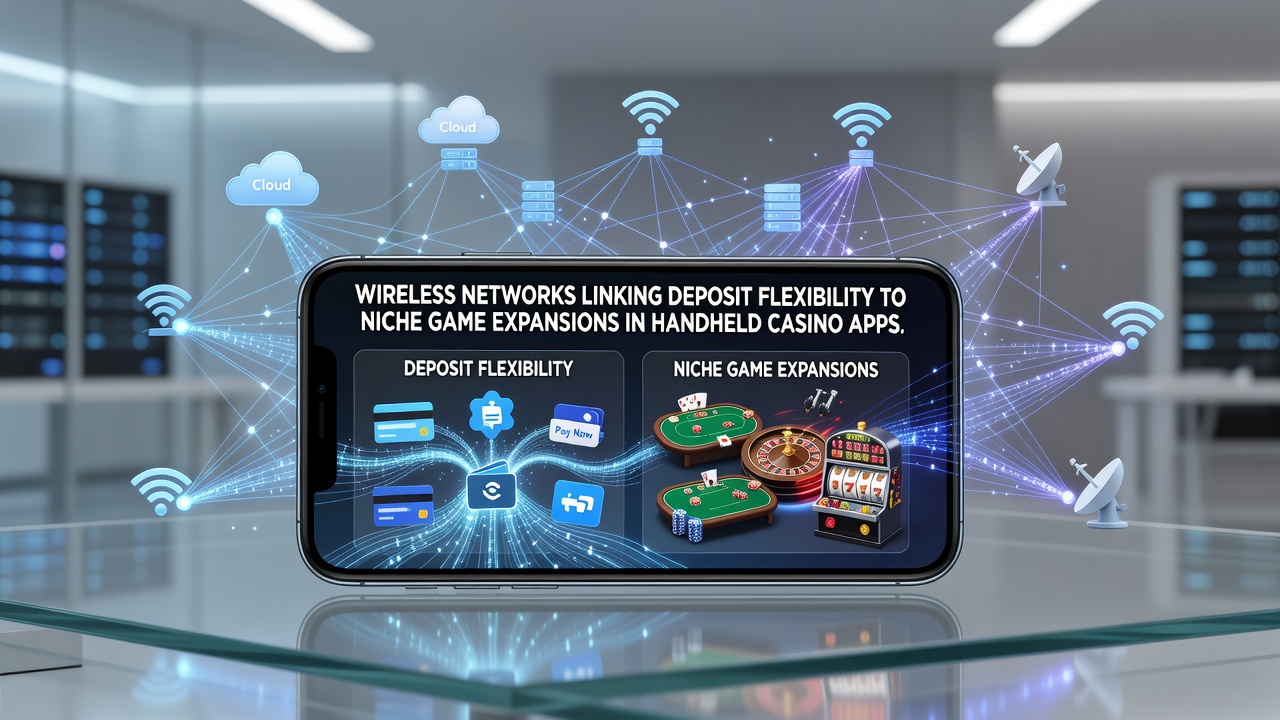
Wireless networks have become central to how deposit methods operate within handheld casino apps, allowing users to access a wider range of funding options that adapt to individual preferences and regional banking systems. Data from industry reports indicate that improvements in 5G coverage and Wi-Fi 6 standards have reduced latency during transaction processing, which in turn supports quicker integration of niche game titles that require stable connections for real-time features.
Connectivity Standards and Transaction Processing
Observers note that wireless technology directly influences deposit flexibility by enabling secure, high-speed data exchanges between user devices and payment gateways. According to figures from the Australian Communications adn Media Authority, mobile data usage in gaming contexts rose steadily through mid-2026, with August reports highlighting faster upload and download speeds that facilitate instant deposits via digital wallets and regional payment services. These networks handle encryption protocols efficiently, so apps can offer multiple deposit methods without interruptions even during peak usage hours.
Researchers have documented how lower latency connections allow apps to verify transactions in seconds rather than minutes, expanding the types of payment processors that developers can incorporate. This technical capacity means operators can introduce niche deposit features like localized e-wallets or cryptocurrency options tailored to specific markets, while maintaining compliance with varying regulatory requirements across jurisdictions.
Expansion of Niche Game Libraries Through Reliable Connections
Wireless advancements have also paved the way for broader catalogs of specialized games in handheld platforms. Niche titles often include complex graphics, live multiplayer elements, or progressive features that demand consistent bandwidth, and improved network reliability has made these viable for mobile users. Studies from the European Gaming and Betting Association show that regions with widespread 5G deployment experienced measurable increases in teh availability of themed slot collections and interactive table variants by August 2026.
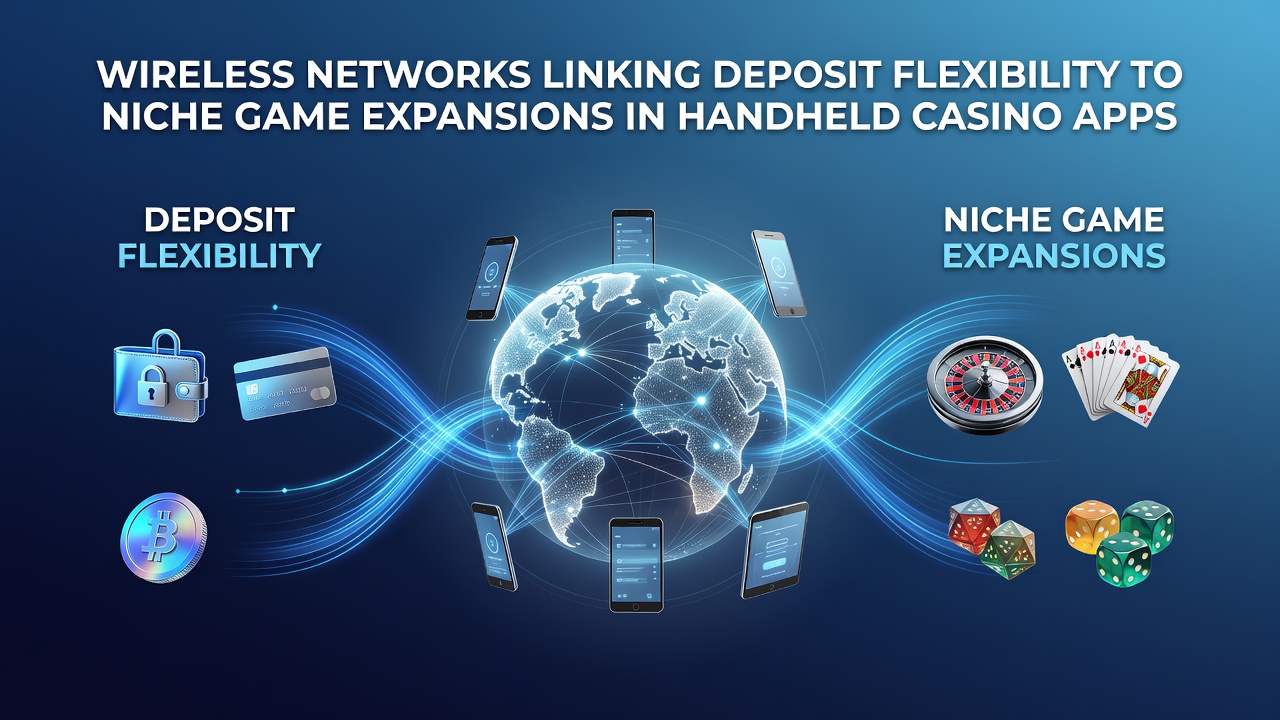
Developers have responded by curating smaller, targeted game libraries that appeal to particular player segments, such as retro-style reels or culturally specific card games. These expansions depend on the ability of wireless networks to support seamless in-app purchases and bonus activations tied directly to deposits. One analysis of platform metrics revealed that apps integrating flexible funding saw higher engagement rates with these specialized offerings, because users could fund accounts quickly and experiment with new content without friction.
Regional Developments and Data Trends
North American regulatory bodies, including the New Jersey Division of Gaming Enforcement, have tracked how mobile operators leverage enhanced wireless capabilities to roll out location-specific game expansions alongside varied deposit systems. Figures indicate that transaction success rates improved notably in areas with upgraded infrastructure, allowing providers to test niche content in controlled releases before wider distribution. Similar patterns appear in Canadian provincial reports, where connectivity upgrades coincided with increased variety in mobile game selections during the first half of 2026.
Industry organizations have pointed out that the link between deposit flexibility and niche expansions creates feedback loops: users who encounter fewer barriers to funding tend to explore more varied game options, which then encourages further development of specialized titles. This dynamic relies on the underlying wireless framework to handle simultaneous data streams for payments and gameplay without degradation.
Technical Mechanisms at Work
Network slicing techniques within modern wireless systems allocate dedicated bandwidth for gaming traffic, separating it from general data flows and thereby stabilizing deposit confirmations even when multiple users access the same app. This segmentation supports the addition of niche mechanics, such as augmented reality overlays or community-driven features, that would otherwise strain older connection standards. Data indicates these capabilities have become more widespread by August 2026, correlating with expanded game libraries in major app stores.
Security protocols integrated into wireless standards further enable flexible deposits by authenticating users rapidly, reducing the steps required before accessing niche content. Observers have noted that apps utilizing these protocols report fewer abandoned transactions, which in turn sustains momentum for operators adding specialized games on an ongoing basis.
Conclusion
Wireless network developments continue to underpin the connection between adaptable deposit systems and the growth of niche game selections in handheld casino applications. Evidence from multiple regions demonstrates that reliable connectivity underpins both transaction speed and content diversification, creating measurable outcomes in user activity and platform offerings as of late 2026. These patterns reflect ongoing technical integration rather than isolated innovations, with data showing sustained expansion tied directly to infrastructure improvements.