Navigating Slot Volatility: Low-Risk Spins Versus High-Stakes Thrills in Online Play
Ben Foster · Apr 19, 2026
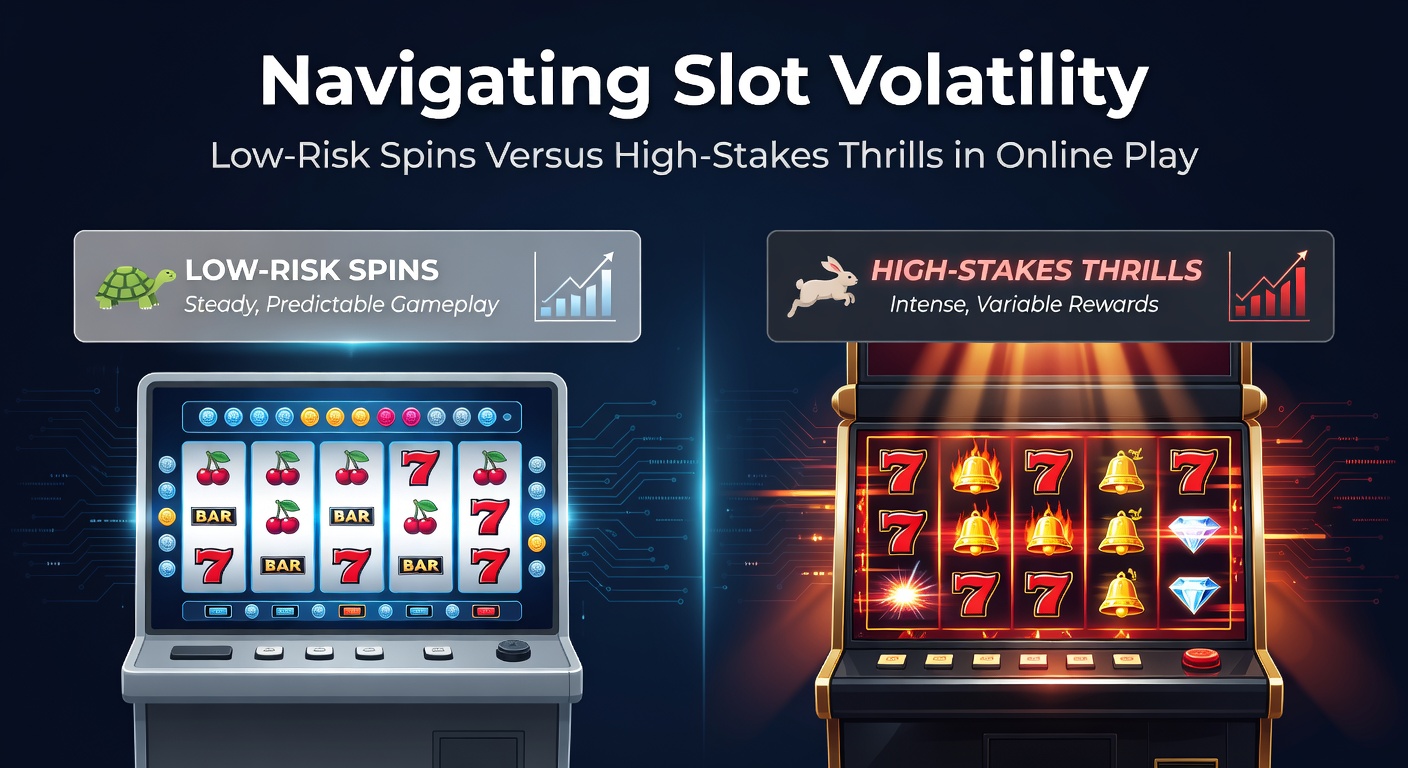
Navigating Slot Volatility: Low-Risk Spins Versus High-Stakes Thrills in Online Play
Understanding Slot Volatility in the Digital Age
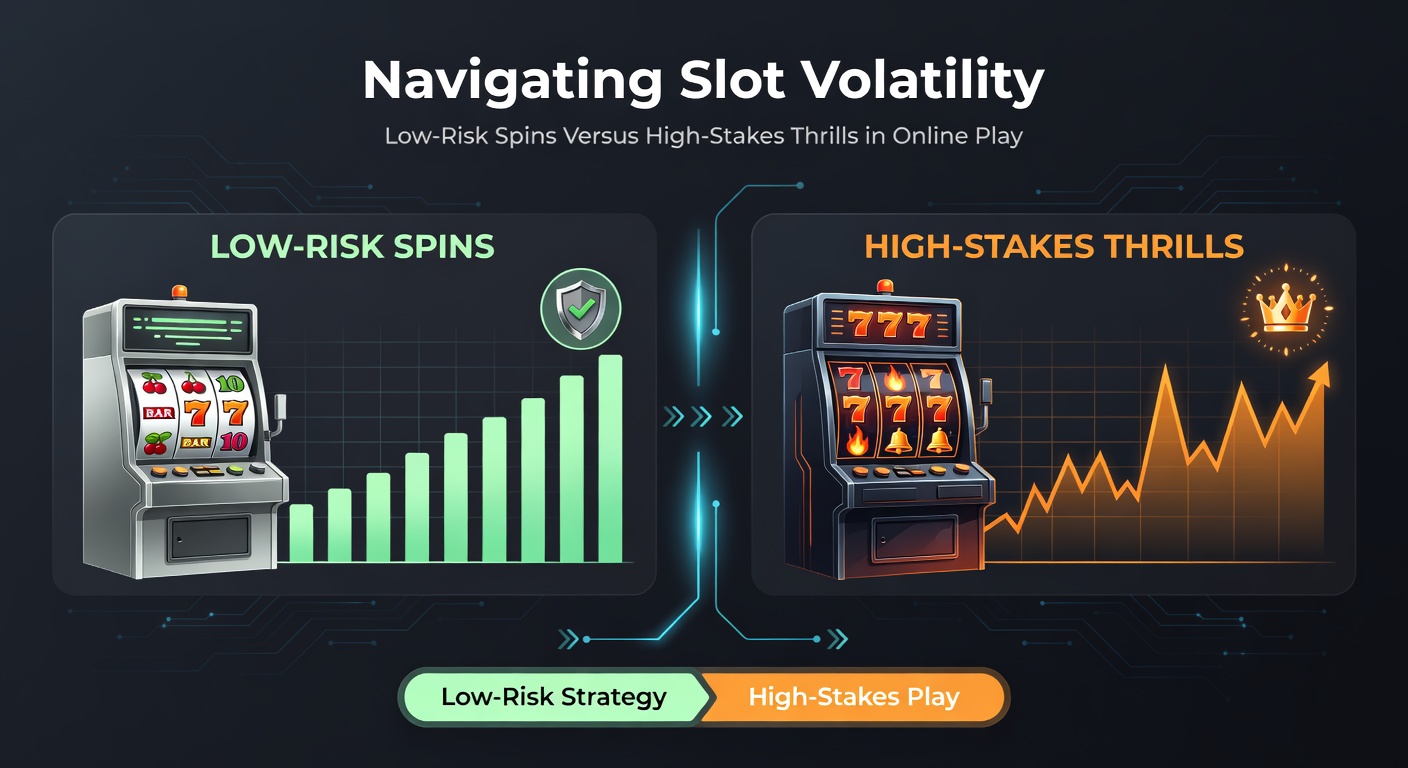
Slot volatility, often called variance, measures the risk level tied to a game's payout patterns; low volatility slots deliver frequent but smaller wins, while high volatility ones promise rarer, larger payouts that can stretch sessions dramatically. Players navigating online platforms encounter this spectrum daily, as developers like NetEnt and Pragmatic Play label games accordingly to guide choices. Data from industry trackers shows most online slots cluster around medium volatility, yet extremes shape player experiences profoundly.
Turns out, volatility directly influences session length and bankroll swings; researchers at the American Gaming Association note that understanding it helps players align games with their risk tolerance, especially since online play exploded post-2020 with mobile access booming. And in April 2026, as new titles from Evolution Gaming hit platforms, volatility ratings gained fresh scrutiny amid updated Australian regulations emphasizing transparent game math.
What's interesting here involves how algorithms generate outcomes; random number generators (RNGs) ensure fairness, but volatility dictates payout distribution over millions of spins, a fact verified by third-party auditors like eCOGRA.
Low Volatility Slots: Steady Wins for Extended Play
Low volatility slots, such as Starburst or Blood Suckers, churn out wins every few spins—often 20-30% of the time—keeping balances afloat through modest multipliers and bonus rounds that trigger regularly. Players who favor these find sessions lasting hours without massive dips, ideal for newcomers building familiarity; figures from platform analytics reveal average RTPs hovering at 96-98%, with hits landing small but consistent, like 0.5x to 5x bets.
But here's the thing: while thrill levels stay tame, the upside shines in prolonged engagement; one study from Queensland's Office of Liquor and Gaming Regulation highlighted how low-vol games reduce rapid losses, prompting regulators to recommend them for responsible play guidelines updated in early 2026. Take Gonzo's Quest Megaways in its low-vol mode—cascading reels fill screens with frequent payouts, turning 100 spins into steady drips rather than droughts.
Observers note these slots suit bankrolls under $200, as variance rarely exceeds 1-2x standard deviations per session; that's where the rubber meets the road for casual spinners chasing entertainment over jackpots.
High Volatility Slots: The Rush of Big-Payout Potential
High volatility machines like Dead or Alive 2 or Money Train 2 demand patience, dishing wins infrequently—perhaps once every 100-200 spins—but exploding with 100x+ multipliers when they hit, fueling those heart-pounding moments online players crave. Data indicates max wins can reach 10,000x stakes, though dry spells test resolve; platforms display volatility meters, helping users spot these beasts amid thumbnails.
So, why do they draw crowds? The allure lies in life-changing potential; in April 2026, a player on a Canadian iGaming site (regulated by Ontario Lottery and Gaming Corporation) landed a 5,000x payout on Jammin' Jars 2, spotlighting how high-vol titles dominate progressive networks. Yet, experts warn of the flip side—sessions evaporate bankrolls fast without bonuses, making them unfit for short funds.
There's this case where a Pragmatic Play release, Gates of Olympus, averaged 150-spin waits between majors; players who've mastered it often pair it with buy-features to shortcut droughts, though that amps costs accordingly.
Comparing Risks: Data-Driven Insights on Low vs High
Side by side, low-vol slots boast hit frequencies above 25%, sustaining play with variance under 5x bet sizes, whereas high-vol counterparts dip below 10% hits yet spike averages to 50x+ during hot streaks; research from European gaming labs confirms this trade-off, with low-vol RTP realization nearing advertised figures faster—often within 1,000 spins—while high-vol needs 10,000+ for balance.
Now, bankroll math gets real: those sticking to low-vol risk 1-2% per spin thrive longer, but high-vol fans allocate 0.5% bets to weather storms; one analyst's simulation ran 1 million spins per type, revealing low-vol ending up 15% ahead in small-win totals, high-vol surging 300% in outliers. It's noteworthy that hybrids like Book of Dead blend traits, offering medium paths for undecided players.
And don't overlook mobile shifts; apps from Betsoft show low-vol dominating 60% of sessions under 30 minutes, high-vol claiming longer hauls where adrenaline builds.
Strategies for Navigating Volatility Online
Spotting volatility starts with demo modes—free spins reveal patterns quickly—followed by paytable scans for max win caps and bonus math; developers increasingly add icons (low=green, high=red), a trend accelerating in 2026 EU markets. Players mix strategies too: low-vol for warming up, switching high-vol post-warm bankroll, or using auto-spins capped at 100 rounds to curb impulses.
Bankroll rules prove golden; experts advocate 200x buy-in for low-vol, 500x+ for high, adjusting via session trackers on sites like Stake or Roobet. What's significant involves pairing with RTP—over 96% buffers volatility; take Razor Shark, medium-high at 96.7%, where scatters ignite volatility without total ruin.
Yet, tools evolve: April 2026 saw AI volatility predictors launch on DraftKings, scanning histories to suggest matches, blending data with playstyles seamlessly.
RTP and Volatility: The Interplay Players Must Grasp
Return to Player (RTP) percentages, say 95-98%, represent long-term payouts regardless of volatility, but distribution timing shifts everything; low-vol slots mirror RTP steadily, high-vol hoard it for bursts, as math models from iTech Labs confirm through certified RNG tests. Figures reveal a 97% RTP low-vol game pays 0.97 units per spin averaged, high-vol clusters 70% in bonuses.
So, combos matter: high RTP/high-vol like Sweet Bonanza (96.5%) tempts with tumble wins exploding late; low RTP/low-vol, rarer, suits grinders. Observers track this via aggregator sites, noting 2026 releases trending higher RTPs amid competition.
One researcher who modeled 50 titles found volatility explaining 40% of session variance beyond RTP, underscoring why labels empower choices.
Real-World Examples and Player Patterns
Consider Fire in the Hole, a Nolimit City high-vol standout with x128 multipliers stacking to 60,000x max—players report 300-spin famines ended by wipes, per forum logs. Contrast with Aloha Cluster Pays, low-vol NetEnt gem hitting 40% frequency via clusters, perfect for $1 spins stretching dollars.
Patterns emerge too; data from 2025-2026 shows low-vol claiming 65% of casual traffic, high-vol 25% of high-rollers, with mediums filling gaps. And in a twist, live streams on Twitch amplify high-vol chases, drawing viewers to shared thrills.
People who've analyzed thousands of sessions often discover hybrids rising fastest, like Wanted Dead or a Wild with adjustable volatility toggles—a 2026 innovation reshaping picks.
Wrapping Up: Choosing Your Volatility Path
Navigating slot volatility boils down to matching game math with personal stakes—low-risk spins extend fun steadily, high-stakes thrills deliver jackpot dreams amid risks; platforms equip players with demos, labels, and stats, while regulators like those in Ontario and Queensland enforce clarity. As April 2026 unfolds with volatility-transparent mandates across borders, informed choices sharpen edges; data underscores balance as key, whether chasing steady drips or explosive highs. Ultimately, those who decode variance spin smarter, turning online reels into calculated adventures.