How Biometric Verification Streamlines Access and Enhances Security Measures Within Portable Wagering Environments
Tina Keller · May 28, 2026
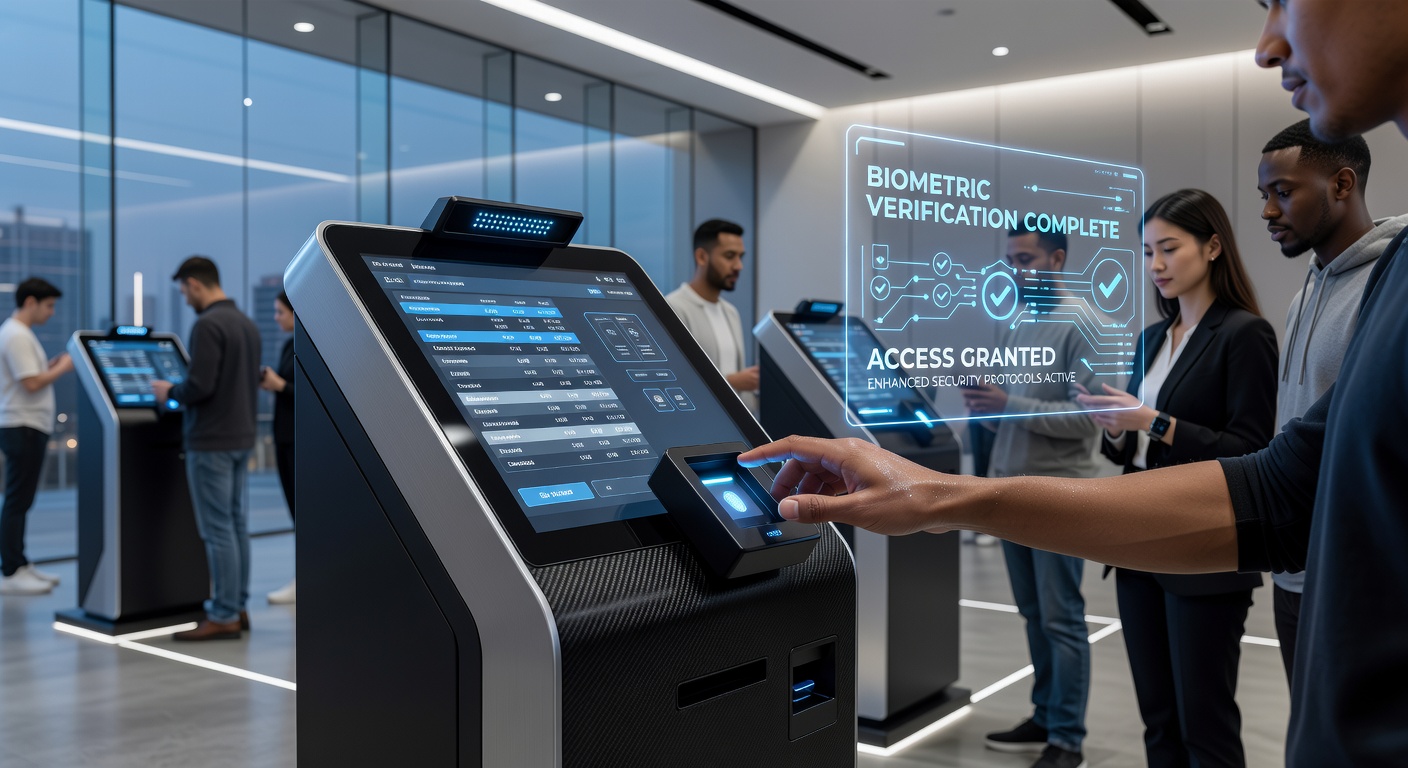
How Biometric Verification Streamlines Access and Enhances Security Measures Within Portable Wagering Environments
Biometric verification has become a standard feature across many portable wagering platforms as operators seek faster user authentication alongside stronger protection against fraud and unauthorized access. Systems now rely on fingerprint scanning, facial recognition, and voice patterns to confirm identity during login, deposit approvals, and withdrawal requests. These methods replace or supplement traditional passwords and one-time codes, which reduces friction while maintaining compliance with age and identity requirements.
Core Technologies Driving Mobile Wagering Access
Fingerprint sensors built into most smartphones allow instant verification when users open betting apps or confirm transactions, and facial recognition uses front-facing cameras to match live images against stored templates. Voice biometrics capture spoken phrases during account setup and then compare them during later sessions, while iris scanning appears in select high-security environments using specialized hardware. Each approach operates locally on the device or through encrypted cloud matching, and data shows that processing times often drop below two seconds once initial enrollment completes.
Regulatory Context and Implementation Timelines
Operators in multiple jurisdictions have aligned biometric rollouts with evolving compliance standards, and updates effective in May 2026 in several North American markets require multi-factor identity checks that include biometric elements for accounts handling large transaction volumes. The Malta Gaming Authority has published technical guidelines that outline acceptable error rates and data storage protocols, while Canadian provincial regulators reference similar benchmarks in their licensing conditions. These frameworks emphasize that biometric data must remain segregated from other personal information and subject to regular third-party audits.
Streamlining User Access in Practice
Once enrolled, players complete logins without entering lengthy credentials, and the same process authorizes real-time bets or fund transfers without interrupting gameplay flow. Research from industry testing facilities indicates that average session initiation times decrease by 40 percent when biometrics replace password-plus-OTP combinations, and repeat users report fewer instances of forgotten credentials that previously triggered support tickets. Portable environments benefit particularly because mobile devices already contain the necessary hardware, allowing seamless integration without additional peripherals.
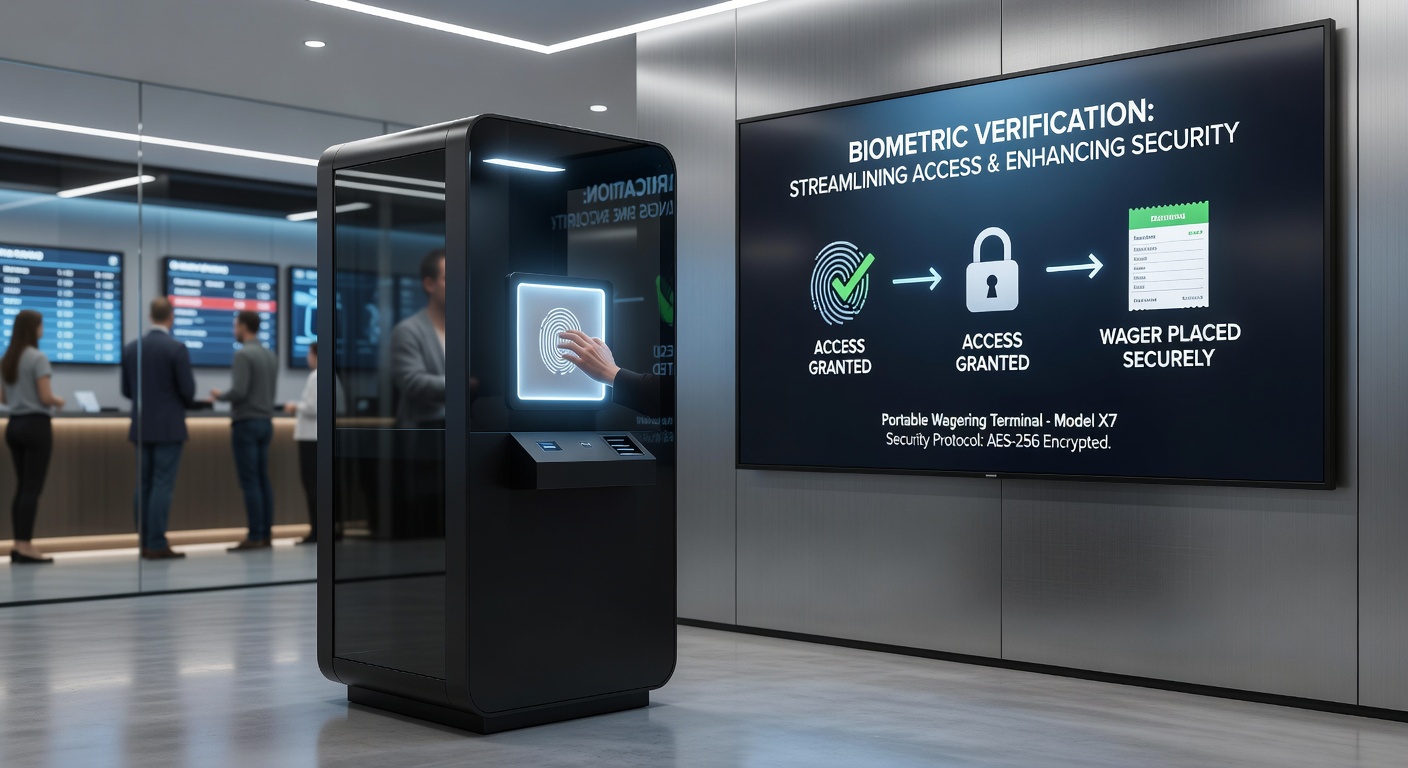
Transaction approvals follow the same pattern: a quick scan confirms the account holder before processing deposits or cash-outs, which cuts down on manual review queues during peak hours. One documented deployment at a major European operator showed that biometric-triggered withdrawals processed 35 percent faster than legacy methods while maintaining the same regulatory reporting standards.
Security Enhancements and Fraud Reduction
Biometric templates replace stored passwords that remain vulnerable to phishing and data breaches, and continuous verification during sessions detects anomalies such as device swaps or unusual location patterns. According to figures released by the Nevada Gaming Control Board, platforms incorporating facial recognition reported a 28 percent drop in account takeover attempts during the first year of deployment. Liveness detection features further distinguish between live subjects and static images or recordings, addressing common spoofing vectors that earlier systems encountered.
Integration with Broader Platform Architecture
Biometric systems operate alongside existing encryption layers and device fingerprinting, creating layered defenses that activate sequentially when risk thresholds rise. Developers embed these checks within SDKs that communicate directly with backend risk engines, and updates pushed in 2025 introduced adaptive scoring that adjusts verification strictness based on transaction size and user history. Observers note that this modular approach lets operators maintain consistent experiences across iOS and Android while meeting distinct regional data residency rules.
Challenges Encountered During Rollouts
Initial enrollment requires clear imaging conditions and user cooperation, and certain demographics experience higher failure rates with facial systems under poor lighting or with facial hair changes. Operators address these issues through fallback options such as PINs or secondary document uploads, and ongoing algorithm training using diverse datasets has lowered rejection rates over successive software versions. Privacy considerations also prompt some jurisdictions to mandate on-device processing rather than centralized storage, which adds technical complexity but aligns with emerging data protection expectations.
Conclusion
Biometric verification now forms a core component of access control and security architecture in portable wagering environments, delivering measurable reductions in authentication time and fraud incidents across implemented markets. Regulatory bodies continue refining standards around data handling and accuracy metrics, while operators refine integration methods to balance convenience with compliance. As device capabilities advance and enrollment processes become more inclusive, the role of biometrics in mobile wagering is expected to expand further without displacing other verification layers entirely.