From Data Streams to Reel Spins: Tracing AI's Influence on Selection and Funding in Digital Casino Apps
Bianca Flores · Jul 28, 2026
From Data Streams to Reel Spins: Tracing AI's Influence on Selection and Funding in Digital Casino Apps
Data Streams Fueling Modern Casino Ecosystems
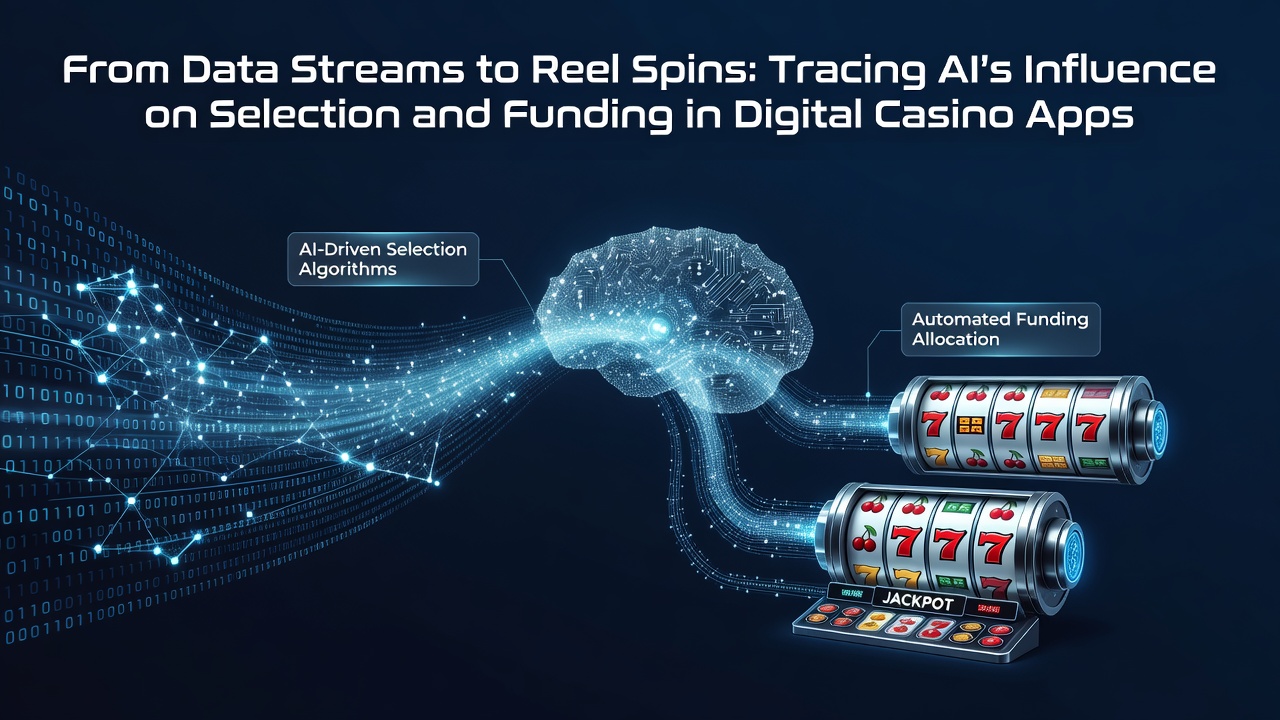
Digital casino applications process continuous flows of user interaction data that include session lengths, betting patterns, and device preferences, and these streams feed directly into artificial intelligence systems that shape both game selection and funding options. Observers note that platforms collect timestamped records of every spin or hand played, then apply machine learning models to identify trends across millions of interactions daily.
Researchers have documented how these models segment players into groups based on risk tolerance and preferred volatility levels, allowing applications to surface specific reel games that align with observed behavior. In July 2026, industry reports indicated that major operators refined their recommendation engines to reduce average time from login to first spin by analyzing historical deposit amounts alongside game completion rates.
AI-Driven Game Selection Mechanisms
Selection processes begin when algorithms evaluate real-time data against historical libraries of slot titles and table variants. The systems assign scores to each available game according to predicted engagement, then adjust visibility within menus and carousels accordingly. One study from a North American research institution revealed that AI-curated lists increased session duration by matching titles to individual play velocity patterns.
Those who monitor platform metrics report that AI also incorporates external signals such as regional regulatory updates and seasonal event data to refresh available catalogs. For instance, during major sporting periods, certain apps have elevated video slots featuring related themes while deprioritizing others based on performance data. This dynamic curation relies on reinforcement learning techniques that update weights after each user interaction cycle.
Funding Pathways Shaped by Predictive Analytics
Funding operations integrate AI for transaction monitoring and offer personalization, where models assess account history to determine eligible deposit methods and bonus structures. Systems flag unusual patterns that might indicate fraud while simultaneously suggesting payment options that previously succeeded for similar user profiles. Data from the Nevada Gaming Control Board shows steady growth in digital wallet usage within regulated markets, with algorithms contributing to faster verification steps.
Platforms further employ natural language processing on support queries to anticipate funding needs before they arise, routing users toward seamless options like instant bank transfers or cryptocurrency gateways. In practice, an AI layer evaluates transaction success rates across geographic segments and adjusts displayed choices accordingly, reducing declined attempts during peak hours.
Integration of Selection and Funding Loops
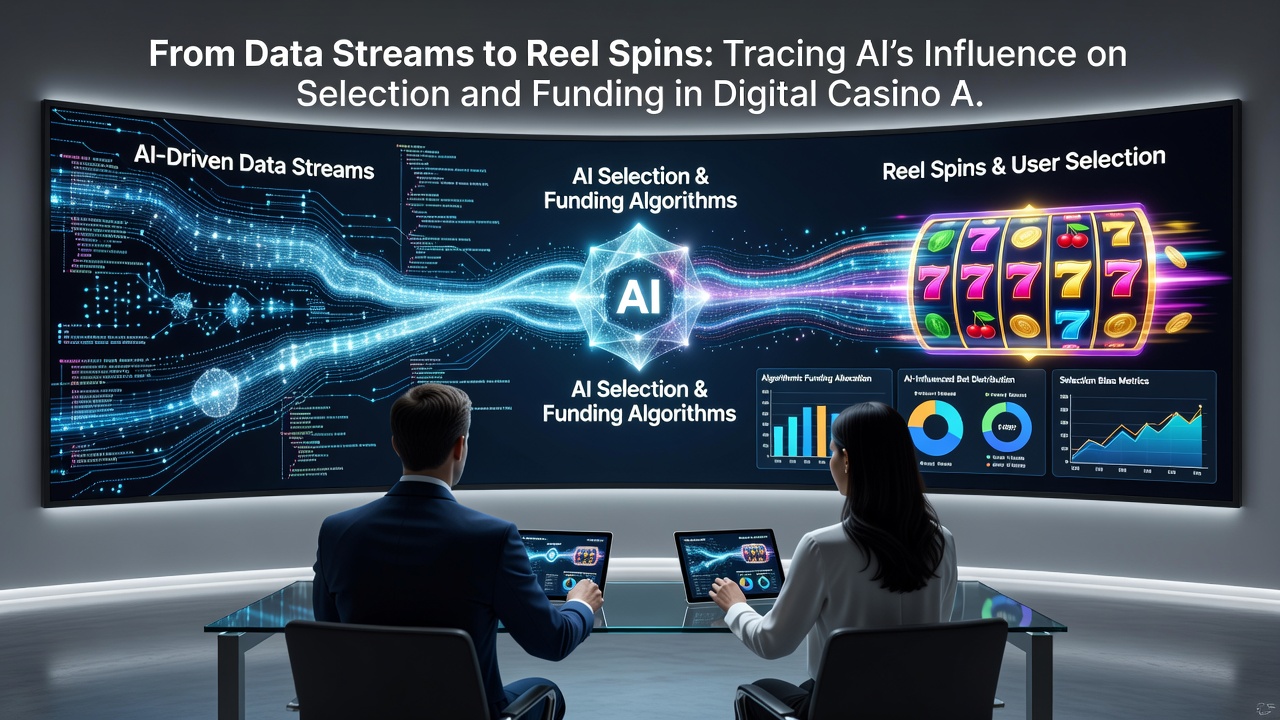
The connection between game selection and funding tightens when AI correlates deposit behavior with subsequent reel activity. Models track which payment methods lead to higher engagement with particular slot categories, then optimize both the order of games presented and the incentives attached to specific deposit channels. This closed-loop approach draws from continuous streams that update every few seconds across global user bases.
European operators participating in cross-border data-sharing initiatives have tested unified models that respect local licensing rules while applying shared predictive frameworks. Figures released by the Australian Gambling Research Centre highlight how such integrations correlate with shifts in average deposit sizes when personalized game suggestions appear immediately after funding confirmation.
Technical Foundations and Regulatory Context
Underlying infrastructure combines cloud-based data lakes with edge computing nodes that process inputs closer to the user device, cutting latency for real-time adjustments. Neural networks trained on anonymized datasets identify subtle correlations between funding timing and preferred volatility settings, enabling finer control over presented options. Regulatory frameworks in multiple jurisdictions require transparency around these automated decisions, prompting operators to maintain audit logs of model outputs.
By mid-2026, several platforms had incorporated explainability modules that generate plain-language summaries of why certain reels or deposit bonuses appeared for a given account. These additions address compliance demands without altering core algorithmic logic that drives the data-to-spin pipeline.
Conclusion
Artificial intelligence continues to link incoming data streams directly to the mechanics of game selection and funding execution inside digital casino applications. The resulting systems adjust catalogs and transaction pathways based on accumulated behavioral evidence, operating under established regulatory oversight across key markets. Continued refinement of these models reflects ongoing collection and analysis of interaction records that shape daily user experiences.