Edge Processing Units Accelerating Financial Transfers and Broadening Game Libraries in Portable Betting Applications
Bianca Flores · Jun 23, 2026
Edge Processing Units Accelerating Financial Transfers and Broadening Game Libraries in Portable Betting Applications
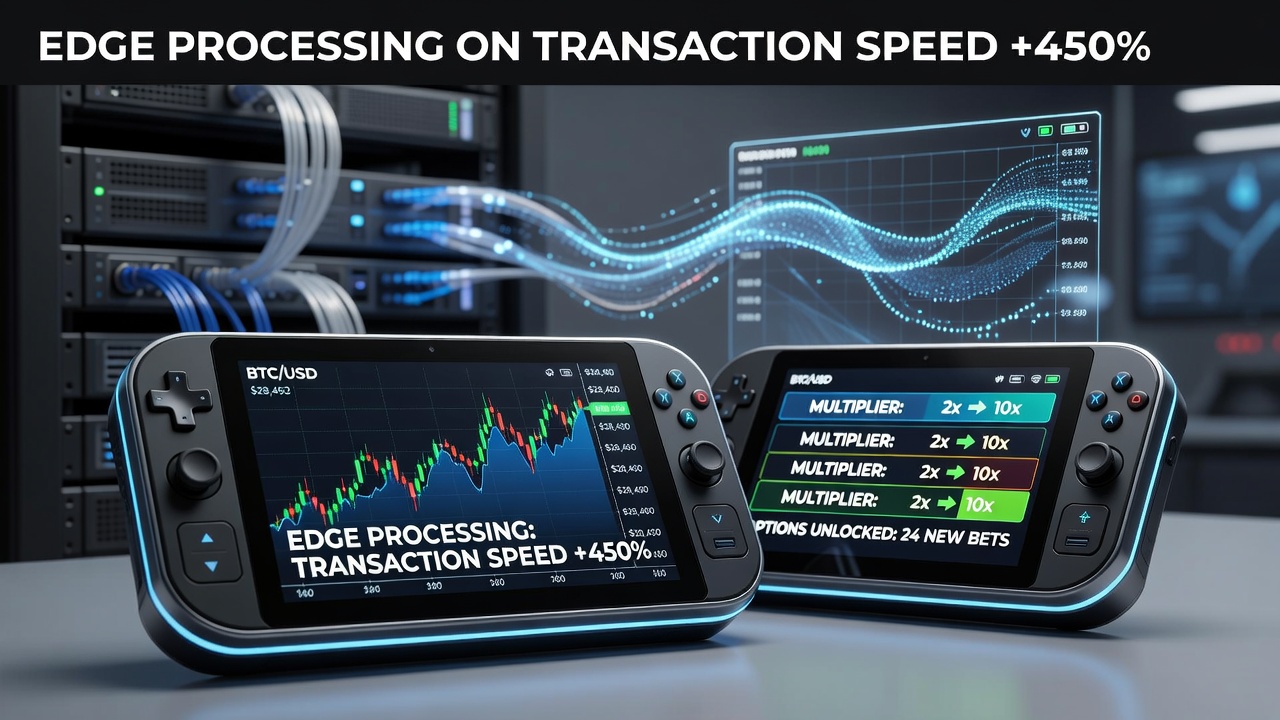
Edge processing units handle data computation directly on handheld devices rather than relying solely on distant cloud servers, and this approach cuts transaction times for deposits and withdrawals in mobile wagering systems while allowing operators to load more diverse game catalogs onto the same hardware. Researchers at technical institutes have documented latency reductions of up to 70 percent in payment confirmations when edge units manage encryption and verification steps locally, and these speed gains translate into higher volumes of completed exchanges during peak betting periods. Operators have integrated specialized chips into smartphones and tablets that perform real-time calculations for both financial processing and game rendering, and the result shows up in faster balance updates alongside expanded selections of slot themes, table variations, and live-streamed events that previously strained device resources. Data from regional regulatory filings in Nevada and New Jersey indicate that platforms adopting edge architectures recorded measurable increases in simultaneous game offerings per user session by June 2026.Local Computation and Payment Velocity
Traditional cloud-dependent systems route every monetary exchange through remote data centers, which introduces delays from network congestion and geographic distance, whereas edge processing units execute authentication protocols and ledger updates on the device itself. Studies from the Australian Communications and Media Authority reveal that average confirmation intervals dropped from several seconds to under one second in controlled trials involving edge-enabled applications. Operators then route only summary records back to central servers, which reduces bandwidth consumption and frees capacity for additional user actions during the same session.
Security protocols remain intact because edge units encrypt sensitive details before any transmission occurs, and financial institutions that partner with mobile platforms have reported equivalent fraud detection rates compared with fully centralized models. The architecture supports instant funding methods such as digital wallets and tokenized card payments without requiring constant server round-trips, and users notice immediate balance reflection once the local unit completes its verification cycle.
Expanded Game Catalogs Through On-Device Rendering
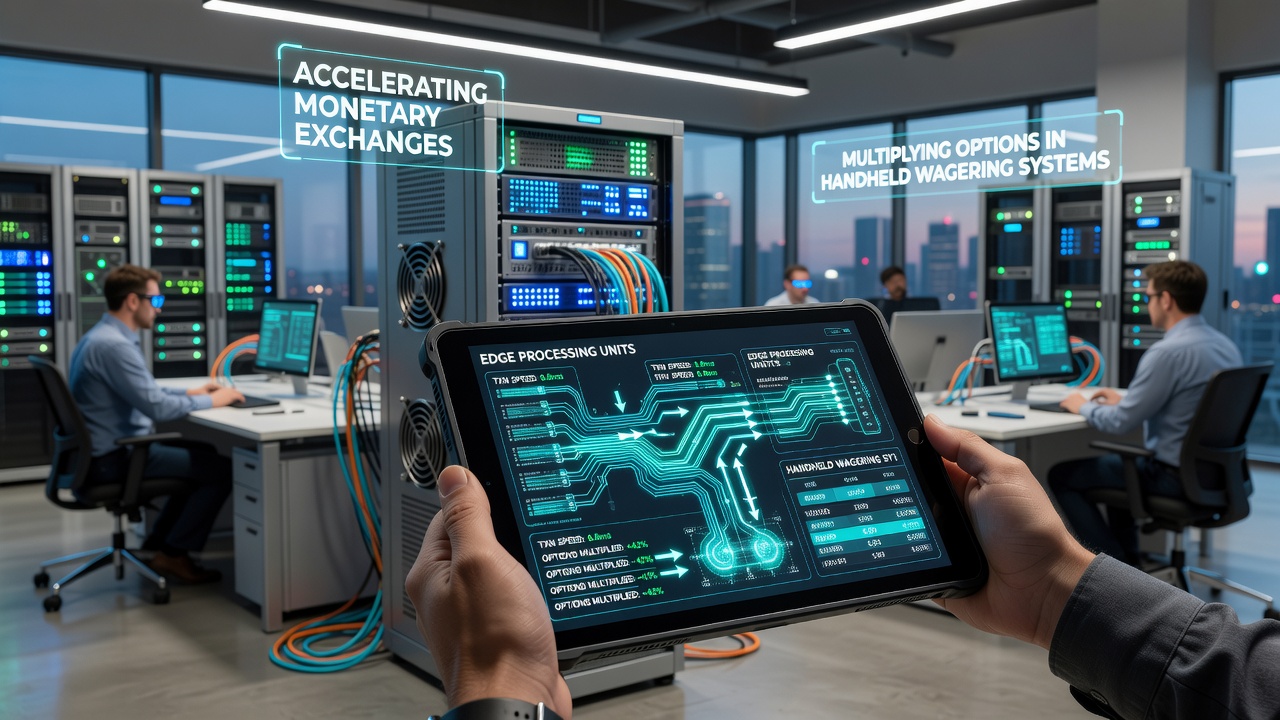
Edge units also manage graphical rendering and probability calculations for individual titles, which permits operators to deliver higher-resolution graphics and more complex bonus mechanics without overwhelming network connections. Industry reports compiled by the European Gaming and Betting Association show that participating platforms increased their active game libraries by an average of 35 percent after migrating core functions to edge hardware. Players gain access to niche reel sets, multi-player variants, and interactive live tables that once remained unavailable on older mobile configurations.
Device manufacturers have begun embedding dedicated neural processing cores alongside standard edge chips, and these additions handle AI-driven personalization such as dynamic difficulty adjustments and tailored recommendation engines. The combined hardware stack allows simultaneous operation of several games in split-screen mode while maintaining uninterrupted payment channels, and testing data collected through mid-2026 confirms stable performance across varying network conditions including 5G and emerging 6G pilot zones.
Regulatory and Infrastructure Developments
Authorities in multiple jurisdictions have updated compliance frameworks to recognize edge-processed transaction logs as valid audit trails, and this recognition has encouraged wider deployment among licensed operators. In June 2026, updated guidelines from the New Jersey Division of Gaming Enforcement clarified reporting requirements for locally computed ledgers, which streamlined approval processes for new titles. Infrastructure investments by telecommunications providers have further supported the shift, with edge server nodes positioned at cell towers to complement on-device units during high-traffic events.
Cross-border operators now synchronize edge-processed data with central compliance databases through standardized APIs, and the approach maintains regulatory transparency while preserving the speed advantages that local computation delivers. Observers note that these synchronized systems have reduced reconciliation times between mobile sessions and backend records from hours to minutes in documented implementations.
Future Integration Patterns
Hardware vendors continue refining edge processing units to handle larger encryption workloads and more sophisticated game engines, and software developers respond by designing titles that leverage the additional on-device capacity. Academic papers published through the IEEE have examined energy consumption patterns, finding that optimized edge workloads extend battery life during extended wagering sessions compared with constant cloud synchronization. Partnerships between chip designers and gaming platforms have produced reference architectures that other manufacturers can adopt, accelerating standardization across the sector.
Conclusion
Edge processing units have established measurable improvements in both transaction speed and game variety within handheld wagering ecosystems, and continued hardware advancements combined with supportive regulatory updates point toward further integration through the remainder of 2026 and beyond. Data collected across multiple regions consistently demonstrates that local computation delivers faster monetary exchanges while expanding the range of available options without compromising security or compliance standards.