Cross-Platform Loyalty Integrations: Connecting Deposit Flexibility to Expanded Live Table Options in Wireless Gaming Setups
Bianca Braun · Jun 4, 2026
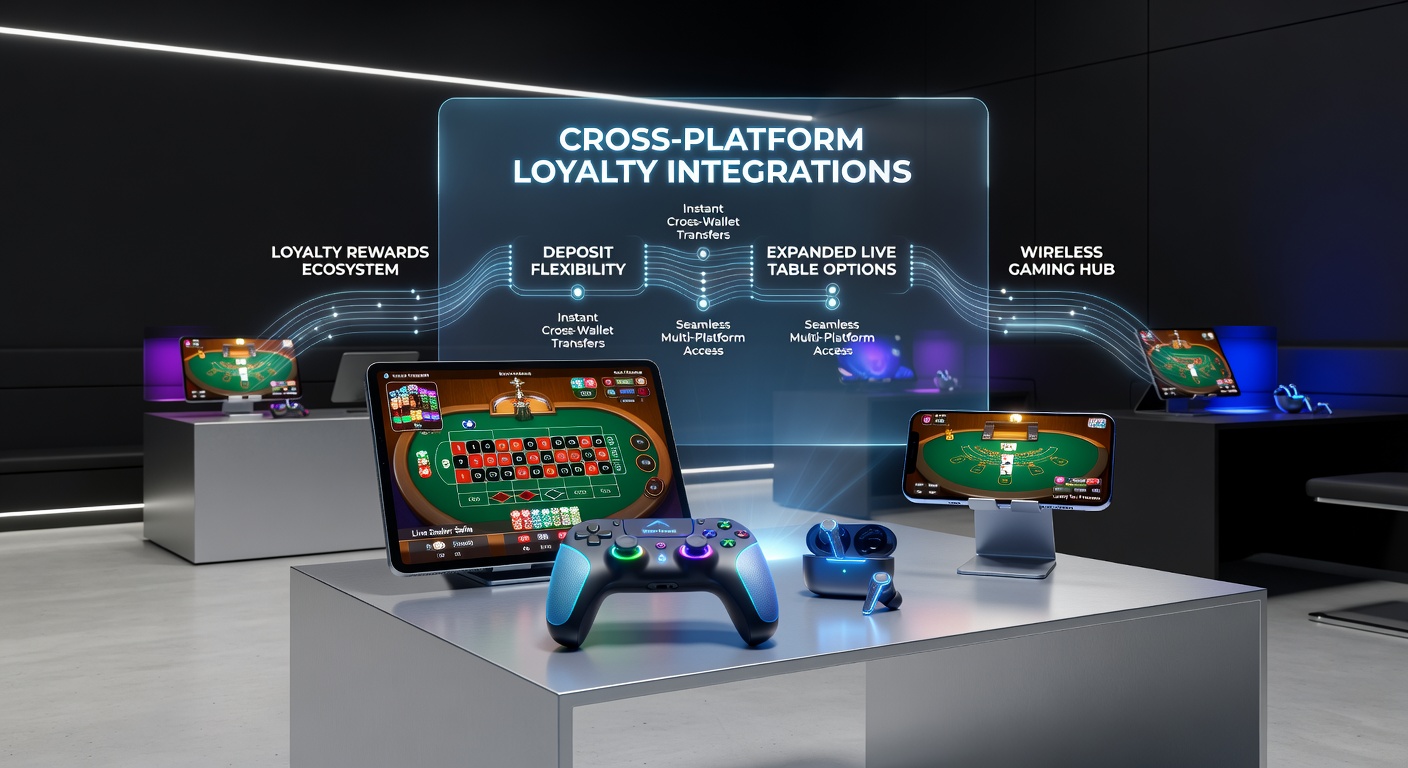
Cross-Platform Loyalty Integrations: Connecting Deposit Flexibility to Expanded Live Table Options in Wireless Gaming Setups
Operators have developed loyalty systems that operate across desktop, tablet, and smartphone environments, allowing players to accumulate and redeem points from any device while accessing deposit methods that unlock additional live dealer tables. These integrations rely on unified player accounts and real-time data synchronization, which track activity whether users switch between Wi-Fi and cellular networks or move from one operating system to another. Research from the American Gaming Association indicates that such systems now cover a growing share of mobile wagering volume in regulated markets.
Mechanics of Cross-Platform Loyalty Tracking
Centralized databases record every wager, deposit, and game selection under a single profile, so points earned during a live blackjack session on a phone carry over to a desktop roulette table without manual transfers. Developers use API connections between loyalty engines and game servers to update balances instantly, which reduces discrepancies that once frustrated users who played across multiple devices. Observers note that this approach has become standard in jurisdictions where operators must maintain detailed transaction logs for regulatory compliance.
Deposit Flexibility as a Gateway to Live Table Access
Flexible deposit options, ranging from instant bank transfers and e-wallets to prepaid cards and cryptocurrency, often carry tiered rewards that directly affect live game availability. A player who completes a deposit through an approved method may receive bonus loyalty points or temporary access to exclusive live tables featuring higher betting limits or specialized variants. Data released in June 2026 by several North American operators showed that accounts utilizing multiple deposit types experienced a measurable increase in live table participation compared with those limited to single-method funding.
Wireless setups benefit particularly from these linkages because mobile interfaces can display real-time promotions tied to recent deposits, prompting users to explore new live dealer rooms without leaving the app. Integration teams have streamlined the process so that deposit confirmation triggers an immediate update to the player's loyalty tier and unlocks corresponding table selections on the same device.
Expansion of Live Table Catalogs on Mobile Networks
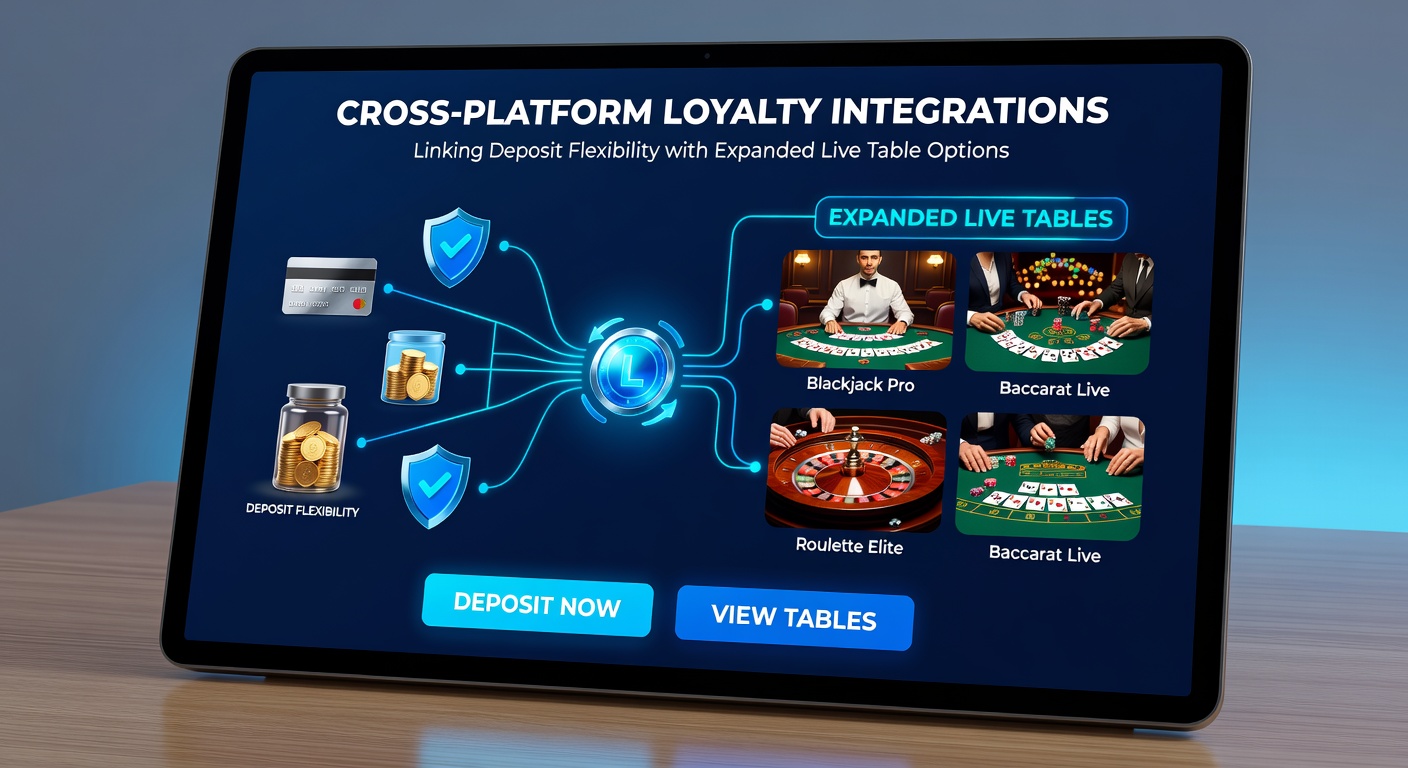
Wireless gaming platforms have added more live table options as 5G coverage and improved compression technologies allow smoother video streams and faster dealer interactions. Loyalty integrations amplify this expansion by rewarding consistent mobile play with access to additional tables that may include regional variants or higher-stakes environments. Reports from industry analysts indicate that operators in Europe and parts of Asia have synchronized these offerings with cross-border loyalty programs, enabling travelers to retain status when switching between licensed platforms.
One integration method involves mapping specific deposit volumes to live table categories, so users who maintain steady funding patterns gain entry to premium dealer rooms featuring multiple camera angles and side-bet options. This structure encourages sustained engagement across devices while complying with responsible gaming parameters that limit rapid tier progression.
Technical Infrastructure Supporting These Connections
Backend systems employ cloud-based player management platforms that interface with both payment processors and live streaming servers, ensuring that loyalty adjustments occur within seconds of a deposit or wager. Security protocols, including tokenization and multi-factor authentication, protect the data flow between deposit gateways and game catalogs, which helps operators meet requirements set by various regulatory bodies. Studies from academic researchers at institutions focused on digital transaction systems have examined latency reductions achieved through these unified architectures.
Developers continue to refine algorithms that predict which live tables a player might prefer based on past deposit behavior and device usage patterns, then surface those options through loyalty dashboards accessible on any wireless connection. Such personalization occurs without altering core game rules or house edges.
Regulatory and Market Context in Mid-2026
Regulators in multiple regions have begun reviewing how cross-platform loyalty programs intersect with deposit rules and live game offerings, particularly as mobile usage surpasses traditional channels. Figures from Canadian provincial gaming authorities and Australian state regulators show rising numbers of licensed operators implementing these integrated systems while maintaining separation between marketing incentives and actual game outcomes. Compliance teams verify that loyalty rewards tied to deposits do not influence random number generation or dealer results in live environments.
Market data collected through June 2026 reflects steady adoption among operators seeking to retain users who value seamless movement between devices and expanded choices at live tables. Industry associations have published guidelines encouraging transparent disclosure of how points convert into table access.
Conclusion
Cross-platform loyalty integrations now serve as the connective tissue between flexible deposit methods and broader live table selections within wireless gaming environments, supported by synchronized databases and regulatory oversight. Operators continue to refine these linkages as network capabilities and player expectations evolve, with current implementations demonstrating measurable effects on engagement patterns across devices.