Behavioral Analytics Powering Efficiency in Mobile Wagering Through Pattern Recognition and Real-Time Content Updates
Bianca Flores · Aug 13, 2026

Behavioral Analytics Powering Efficiency in Mobile Wagering Through Pattern Recognition and Real-Time Content Updates
App-based betting platforms now rely on machine learning models that align individual user patterns with instant payout mechanisms while refreshing live table inventories in real time, and these systems process behavioral data from millions of sessions each day to adjust both financial rails and game availability without manual intervention.
Developers train algorithms on historical play records, deposit frequencies, and session durations so the models predict when a player will request a withdrawal and pre-authorize teh transaction through connected banking partners, which reduces processing times from minutes to seconds in many cases. Data from August 2026 shows several major operators reported average payout completion under 12 seconds for verified users after implementing these synchronized frameworks.
Core Components of the Synchronization Process
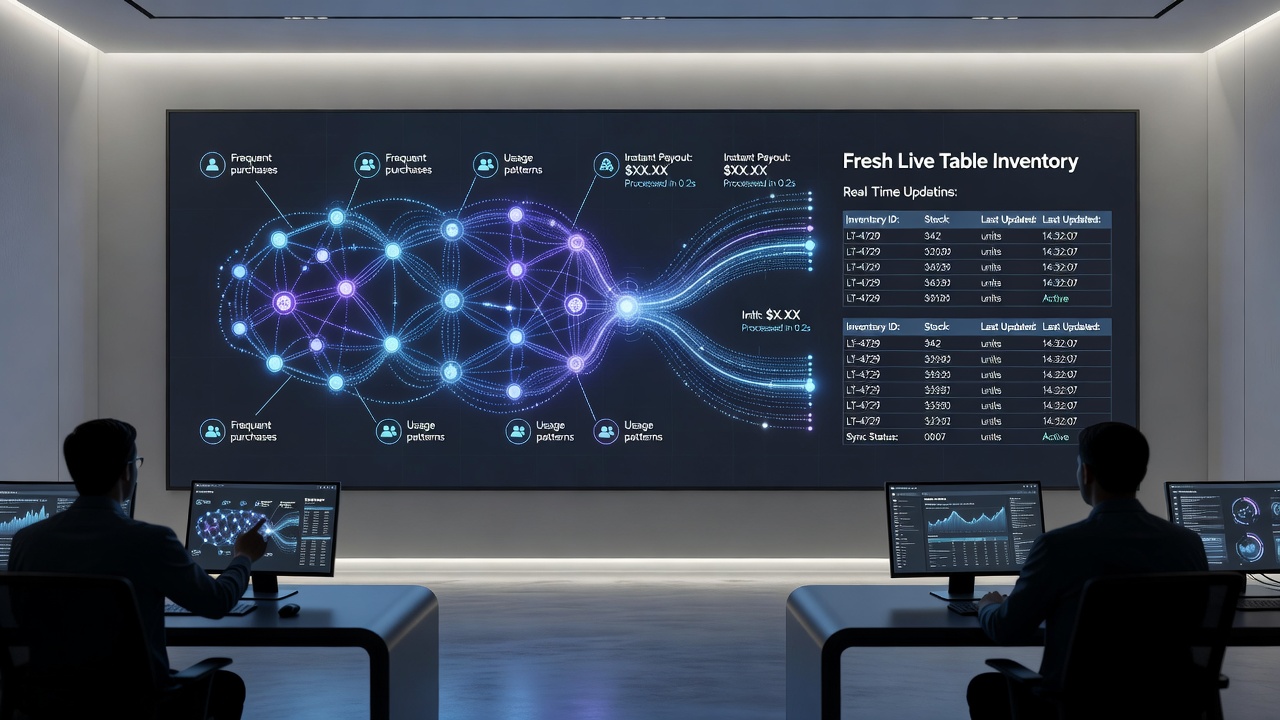
Machine learning models ingest inputs such as time of day, preferred game types, average bet size, and device location, then cross-reference those variables against current inventory of live dealer tables to surface available seats in blackjack, roulette, or baccarat rooms that match the user's established preferences. At the same time the same models trigger payout rails by confirming account balances and routing requests through low-latency payment processors that operate on pre-cleared channels.
Operators maintain separate data streams for habit tracking and transaction execution yet merge them inside a central orchestration layer, and this architecture allows one model to flag a likely withdrawal request while another simultaneously updates the live table roster to prevent oversubscription. Observers note that such dual-purpose processing became standard after regulatory updates in several jurisdictions required faster fund access alongside expanded game variety.
Technical Implementation Across Platforms
Cloud-based training pipelines update the models nightly using anonymized session logs, and edge computing nodes on user devices execute lightweight inference to deliver personalized suggestions within 200 milliseconds of login. Payment integration occurs through APIs that connect directly to banking networks or digital wallet providers, and the models adjust approval thresholds based on each user's historical compliance record rather than applying uniform rules.
Live table inventory refreshes happen through continuous feeds from studio partners, where occupancy sensors and dealer availability data feed into the same predictive engine that manages payouts. One documented case involved an operator in the Asia-Pacific region that linked its machine learning system to both a regional central bank instant payment network and multiple studio feeds, resulting in simultaneous improvements to withdrawal speed and table utilization rates.
Regulatory and Infrastructure Considerations
Authorities in Nevada and Singapore have issued guidance requiring operators to document how algorithmic decisions affect both fund movement and game access, and compliance teams now audit model outputs monthly to verify that payout synchronization does not inadvertently restrict certain user segments from live tables. Industry reports from the American Gaming Association indicate that platforms adopting these integrated systems recorded measurable gains in player retention metrics during the first half of 2026.
Network latency remains a limiting factor in some markets, yet 5G rollout and localized data centers have narrowed the gap, allowing models to maintain synchronization even when users switch between cellular and Wi-Fi connections mid-session. Payment partners such as those operating under the European Payments Council framework supply the rails that receive pre-validated instructions from the machine learning layer.
Future Developments and Industry Data
Academic studies published by research groups at the University of Nevada, Las Vegas, continue to examine how these synchronized models influence overall platform economics, and preliminary findings suggest that tighter coupling between habit prediction and inventory management correlates with higher table occupancy without increasing average session length. Operators continue to refine the models with additional signals such as device battery status and time-zone shifts to further optimize both payout timing and live game recommendations.
Conclusion
Machine learning models that connect user behavior analysis with instant payout systems and dynamic live table inventories now form a core part of app-based betting infrastructure, and continued refinement of these systems depends on data quality, regulatory alignment, and ongoing improvements in network performance across regions.