Artificial Intelligence Advancing Mobile Wagering Through Predictive Analytics and Expanded Live Dealer Access
Tina Keller · Aug 20, 2026
Artificial Intelligence Advancing Mobile Wagering Through Predictive Analytics and Expanded Live Dealer Access
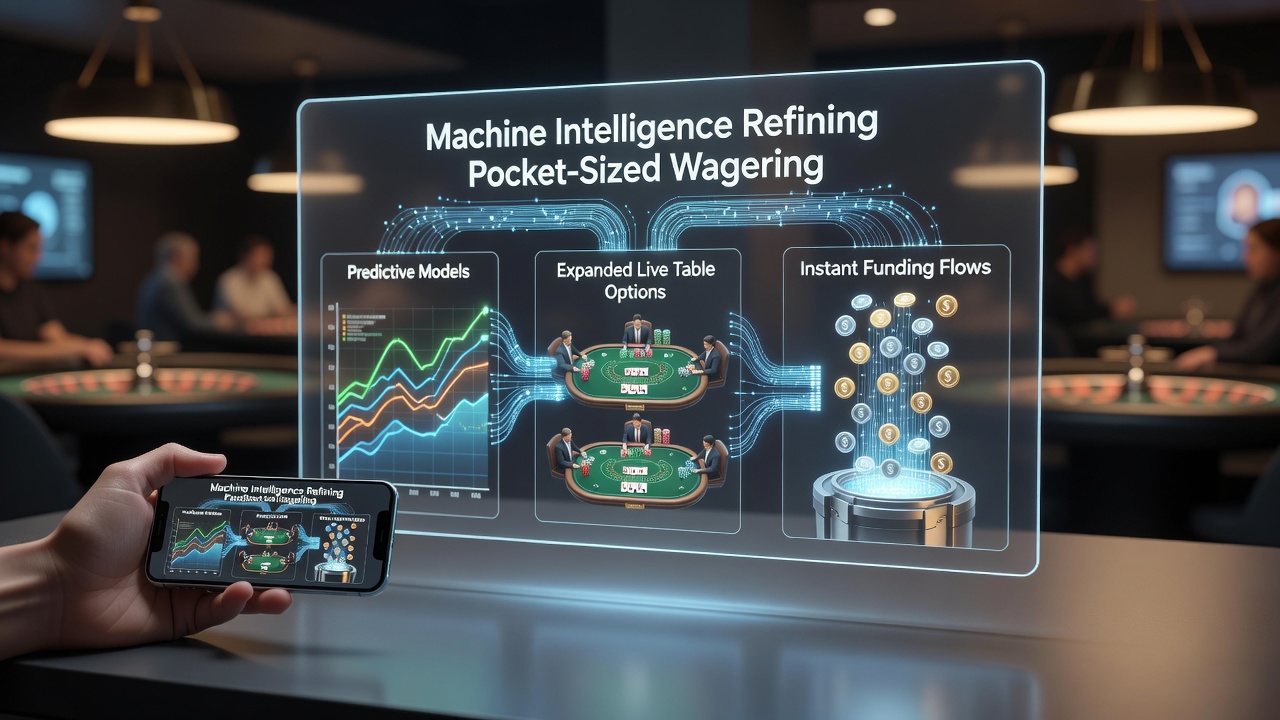
Artificial intelligence systems now process vast datasets from player behavior patterns, game outcomes, and market trends to refine mobile wagering platforms, and these models connect directly to expanded selections of live table games while supporting instant funding mechanisms across handheld devices. Operators deploy machine learning algorithms that analyze real-time betting histories to forecast demand for specific table variants such as blackjack, roulette, and baccarat, which allows platforms to adjust available live dealer streams dynamically during peak hours.
Data from regulatory filings indicate that mobile wagering accounts for over 60 percent of total online gaming revenue in several jurisdictions by mid-2026, and predictive models help operators maintain liquidity in live dealer offerings by anticipating player preferences hours in advance. These systems integrate with payment processors to trigger instant funding flows once algorithms identify verified user patterns, reducing transaction delays from minutes to seconds in many cases.
Predictive Models Shaping Game Availability
Researchers at institutions including the University of Nevada, Reno have documented how neural networks evaluate millions of historical sessions to predict which live table formats will attract the highest engagement on any given day, and this approach enables casinos to allocate streaming resources accordingly without overextending server capacity. Algorithms examine variables such as time of day, geographic user clusters, and previous session lengths to recommend additional tables in real time, which expands the catalog of options available to mobile users beyond static menus.
One case study from Australian gambling research centers revealed that platforms using these models saw a 25 percent increase in live table participation rates during testing phases conducted in early 2026, and similar implementations now appear in North American and European markets. The technology also flags potential table closures during low-demand periods, which conserves bandwidth and maintains consistent quality for remaining active games.
Instant Funding Flows Linked to User Analytics
Payment gateways now interface with the same predictive frameworks that manage game selection, and this linkage permits automated verification steps based on behavioral signals rather than manual reviews alone. When algorithms detect familiar deposit patterns from returning users, funding requests process through established channels in under three seconds according to industry benchmarks released in August 2026 reports from the Nevada Gaming Control Board.
Smart contract elements on blockchain networks further support these flows by executing predefined conditions once identity checks complete through biometric or device-based confirmations, and this setup reduces friction for users who switch between live table sessions and slot libraries on the same app. Observers note that transaction success rates have climbed above 98 percent on leading mobile platforms that combine these elements, while average processing costs per transaction have dropped by nearly 40 percent compared to traditional methods.
Integration Across Expanded Live Table Options
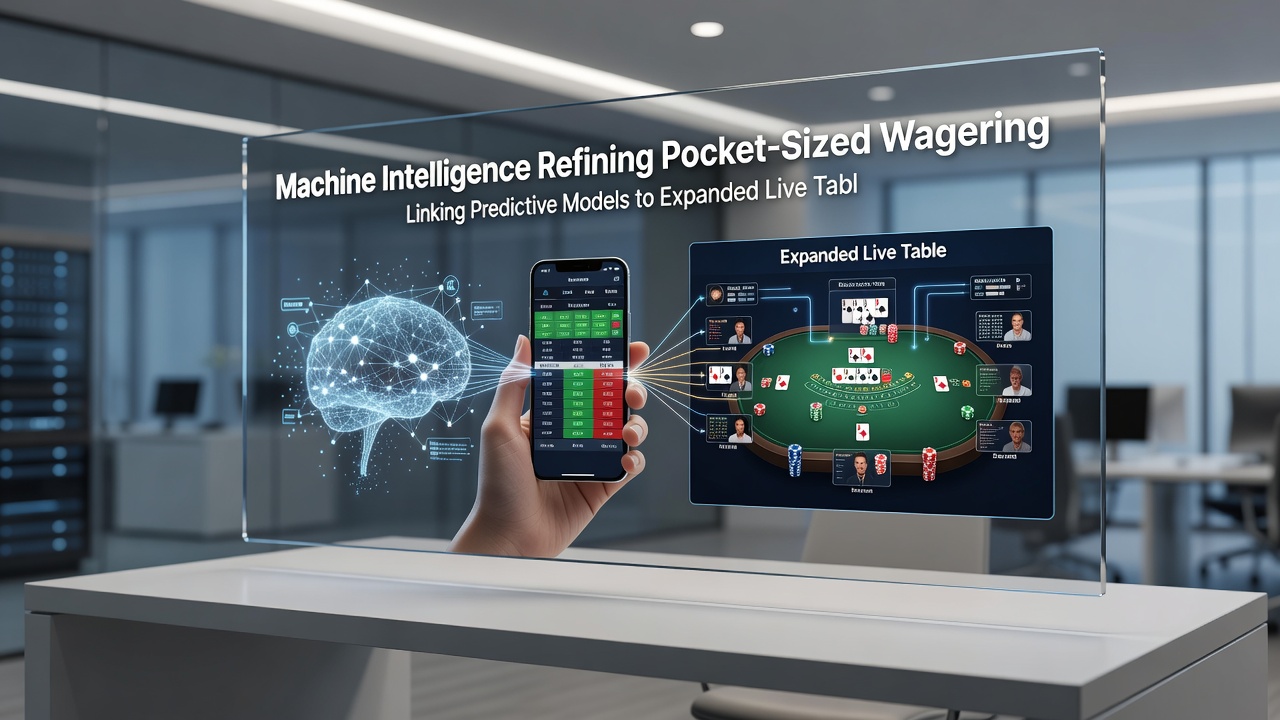
Live dealer providers have expanded their offerings to include regional variants and multi-player formats because predictive models supply accurate forecasts of required dealer staffing levels and table counts, and this synchronization allows operators to scale during major sporting events or holiday periods without service interruptions. Platforms in markets such as those regulated by the Alcohol and Gaming Commission of Ontario have reported deploying up to 30 additional live tables during high-traffic windows identified by AI systems.
These expansions maintain regulatory compliance through continuous monitoring modules that track game fairness metrics alongside funding activity, and the combined data streams feed back into the central models for further refinement. Users therefore encounter broader choices in live blackjack side bets or roulette wheel styles while experiencing uninterrupted deposit capabilities between rounds.
Regional Developments and Data Trends
Figures from the European Gaming and Betting Association show mobile live table revenue growth of 18 percent year-over-year through the first half of 2026, and much of this expansion ties to algorithmic tools that match player location data with suitable table languages and dealer styles. Canadian provincial reports similarly highlight how instant funding integrations have shortened session drop-off rates by enabling seamless top-ups during extended live play periods.
Operators continue testing hybrid models that blend machine intelligence with human oversight for edge cases such as unusually large funding requests, yet the core automation handles the majority of daily volume. This balance supports scalability as mobile device penetration rises in emerging markets where live table access previously faced infrastructure limits.
Conclusion
Artificial intelligence continues to link predictive modeling with both expanded live table selections and instant funding capabilities in portable wagering environments, and data from multiple regulatory and research sources confirm measurable gains in participation and processing efficiency. These developments reflect coordinated advances across technology providers, gaming operators, and payment networks that together shape current mobile casino ecosystems.