Algorithms Mapping Retention Curves Through Adaptive Reward Structures in App-Based Betting Environments
Bianca Flores · Jul 2, 2026
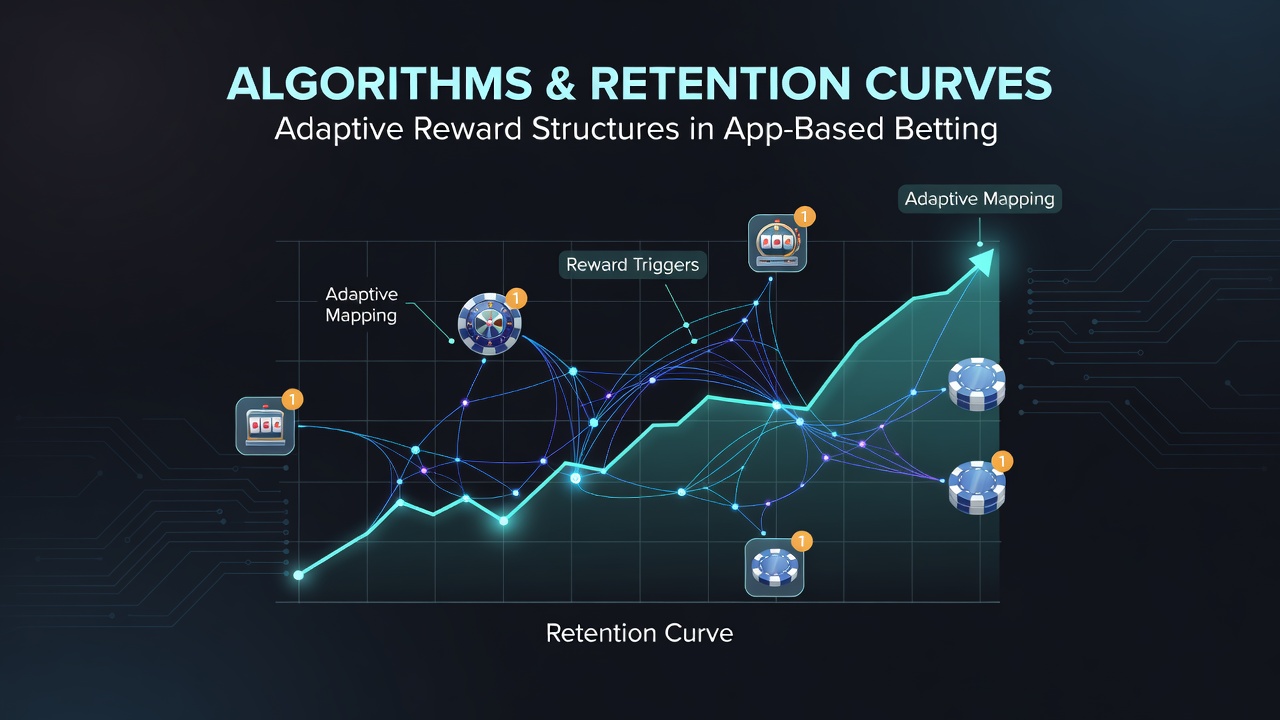
Algorithms Mapping Retention Curves Through Adaptive Reward Structures in App-Based Betting Environments
App-based betting platforms rely on sophisticated algorithms that track user engagement patterns over time and map retention curves to predict when players might reduce activity or leave the service entirely, and these systems adjust reward structures in real time to maintain consistent participation across diverse user segments. Developers integrate behavioral data points such as session length, deposit frequency, and game selection to build predictive models that respond to individual activity trends rather than applying uniform incentives across all accounts.
How Retention Mapping Works in Mobile Wagering Apps
Retention curves represent the percentage of users who continue engaging with an application after initial downloads or first deposits, and in betting environments these curves often show sharp drops within the first seven to fourteen days unless adaptive mechanisms intervene. Algorithms process streams of anonymized user data to identify inflection points where engagement typically declines, then trigger personalized reward sequences such as targeted free spins, deposit matches, or loyalty multipliers designed to extend session activity and encourage repeat visits. Researchers at institutions like McGill University have examined how machine learning models refine these predictions by analyzing historical cohort data, allowing platforms to shift from static bonus systems to dynamic structures that evolve based on real-time feedback loops.
Developers build these models using supervised learning techniques that classify users into segments based on risk tolerance, preferred game types, and spending velocity, which enables the system to deliver rewards at moments calculated to produce the highest probability of continued play. For instance, a user who shows high initial activity but begins skipping days might receive an accelerated reward tier, whereas someone maintaining steady patterns receives subtler incentives that avoid over-saturation. Data from the Nevada Gaming Control Board indicates that platforms incorporating such adaptive frameworks report measurable differences in day-30 retention rates compared with those using fixed promotional schedules, though exact figures vary by jurisdiction and operator size.
Adaptive Reward Structures and Their Technical Implementation
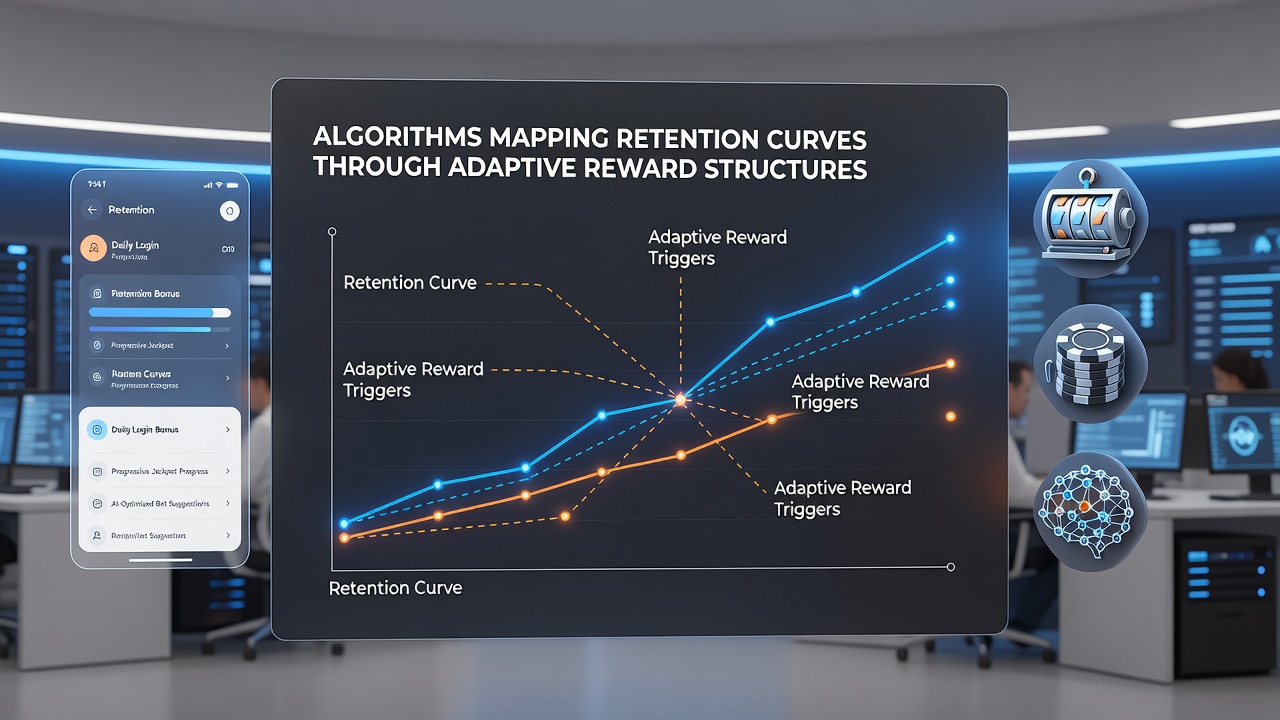
Adaptive rewards operate through decision engines that evaluate multiple variables simultaneously, including time since last login, recent win-loss ratios, and interaction with specific game categories, before selecting an appropriate incentive from a predefined library. These engines connect directly to retention curve forecasts so that rewards align with projected drop-off points rather than arbitrary calendar triggers. In practice this means a player approaching a predicted churn threshold might see a customized offer appear within the app interface, calibrated to match their historical response patterns to similar promotions.
Integration with cloud-based analytics platforms allows continuous model updating, as new user data flows into training sets and refines the accuracy of future predictions. July 2026 saw several operators deploy updated versions of these systems following advances in edge computing, which reduced latency in reward delivery and enabled more granular segmentation even on lower-bandwidth connections. Observers note that the shift toward real-time adaptation has coincided with broader industry adoption of privacy-preserving data techniques, ensuring compliance with regional regulations while still capturing sufficient signals for effective curve mapping.
Data Inputs and Model Training Processes
Algorithms draw from an array of inputs that include not only transactional records but also behavioral telemetry such as scroll patterns within game lobbies, time spent reviewing odds, and responses to previous reward notifications. Training datasets undergo regular cleansing to remove anomalies and account for seasonal variations in betting volume, which helps maintain model stability across different market conditions. Engineers apply reinforcement learning components that treat each reward deployment as an action with measurable outcomes, allowing the system to optimize future selections based on observed retention impact.
Case examples from large-scale operators demonstrate how these models differentiate between short-term spikes in activity and sustained behavioral changes, preventing unnecessary reward expenditure on users already exhibiting strong retention signals. Cross-platform synchronization further enhances accuracy, as data from both mobile and desktop sessions feeds into unified user profiles that support consistent reward logic regardless of access method.
Regulatory Context and Industry Standards
Regulatory bodies across multiple regions require operators to maintain transparency around algorithmic decision-making, particularly when rewards influence financial behavior, which has prompted development of audit trails that log every reward adjustment and its corresponding retention outcome. In Australia the Australian Communications and Media Authority has issued guidance encouraging operators to document how personalization algorithms align with responsible gambling frameworks, while similar expectations appear in Canadian provincial frameworks. These requirements have driven investment in explainable AI techniques that allow operators to describe, in broad terms, why specific users receive particular offers at given times.
Industry associations continue to publish best-practice documents that outline minimum standards for data handling within retention systems, emphasizing separation between marketing personalization and any elements that could affect game fairness. Operators that publish compliance summaries demonstrate how their mapping processes incorporate responsible play prompts at key decision points within the reward cycle.
Conclusion
Algorithms that map retention curves through adaptive reward structures have become integral components of app-based betting platforms, relying on continuous data analysis and real-time adjustment mechanisms to sustain user engagement. Technical implementations draw from established machine learning methods while responding to evolving regulatory expectations around transparency and player protection. As these systems mature, the focus remains on balancing operational effectiveness with documented standards for data use and reward delivery across different jurisdictions.